
Are you ready to build a successful future as a registered draftsperson in 2026? The demand for skilled professionals in this field is rising across Australia, opening doors to rewarding and stable careers.
Quick answer: To succeed as a registered draftsperson in 2026, individuals must acquire essential qualifications and complete registration steps. This involves understanding the distinct role of a registered draftsperson, focusing on technical drawings for residential and light commercial projects, and meeting regulatory standards. The guide provides actionable strategies and expert tips for thriving in the growing Australian drafting industry.
This guide is your practical roadmap to becoming a registered draftsperson, covering everything from essential qualifications and registration steps to must-have skills and industry insights. Whether you are just starting or planning your next career move, discover actionable strategies and expert tips to help you stand out and thrive in the drafting industry.
Understanding the Role of a Registered Draftsperson
A registered draftsperson plays a pivotal role in Australia's built environment. Responsible for turning design concepts into precise technical drawings, a registered draftsperson bridges the gap between ideas and construction reality. They ensure that every plan meets client needs, regulatory standards, and project specifications.
While the terms draftsperson, architect, and building designer are sometimes used interchangeably, each has a distinct scope of practice. A registered draftsperson focuses on preparing detailed drawings and documentation, typically for residential and light commercial projects. In contrast, architects are licensed to design more complex or large-scale buildings, while building designers may offer broader design services but with different registration requirements.
| Role | Registration Required | Typical Projects | Key Responsibilities |
|---|---|---|---|
| Registered Draftsperson | Yes | Residential, small commercial | Technical drawings, compliance checks |
| Architect | Yes | Large, complex, public buildings | Full design, project management |
| Building Designer | Often | Residential, commercial | Design, documentation, some supervision |
Registered draftspersons are in demand across various sectors. The most common industries include residential housing, commercial developments, and industrial projects. In residential work, they might design new homes, renovations, or extensions. Commercially, they contribute to offices, retail spaces, or warehouses.
Daily life for a registered draftsperson involves a mix of technical and interpersonal tasks. These professionals prepare CAD drawings, 3D models, and detailed documentation. They regularly liaise with clients, consultants, and builders to clarify requirements and address queries. Ensuring that every drawing complies with the National Construction Code (NCC), Australian Standards, and local council regulations is a core responsibility.
Registration is not just a formality; it is a legal requirement in Victoria and several other states for anyone offering drafting services independently. The process confirms that a registered draftsperson meets the necessary education, experience, and ethical standards. For those working in Melbourne, understanding the Becoming a draftsperson in Melbourne pathway is essential, as it outlines specific local obligations and opportunities.
Consider a typical residential extension project. The registered draftsperson starts by meeting the homeowner to discuss ideas and budget. Next, they survey the existing site, develop concept sketches, and prepare detailed plans using CAD software. Throughout, they coordinate with engineers and submit documents for council approval, ensuring every step meets compliance standards.
According to JobOutlook.gov.au, employment for draftspersons is projected to grow steadily, reflecting ongoing demand in construction and renovation. The median salary for a registered draftsperson sits comfortably in the mid-range for construction professionals, with opportunities to advance as skills deepen.
Leading industry bodies such as Design Matters National and the Victorian Building Authority (VBA) highlight the importance of ongoing professional development and ethical practice. Their guidance helps ensure that every registered draftsperson remains current with industry trends, regulatory updates, and best practices.
For anyone considering this career, the role of a registered draftsperson offers a rewarding blend of creative problem-solving, technical expertise, and meaningful contribution to Australia's built environment.

Step-by-Step Pathway to Registration in 2026
Embarking on the journey to become a registered draftsperson in Australia requires a clear understanding of each step along the way. This pathway breaks down the process, from education to ongoing compliance, ensuring you are well equipped for success as a registered draftsperson in 2026.
Educational Requirements and Pathways
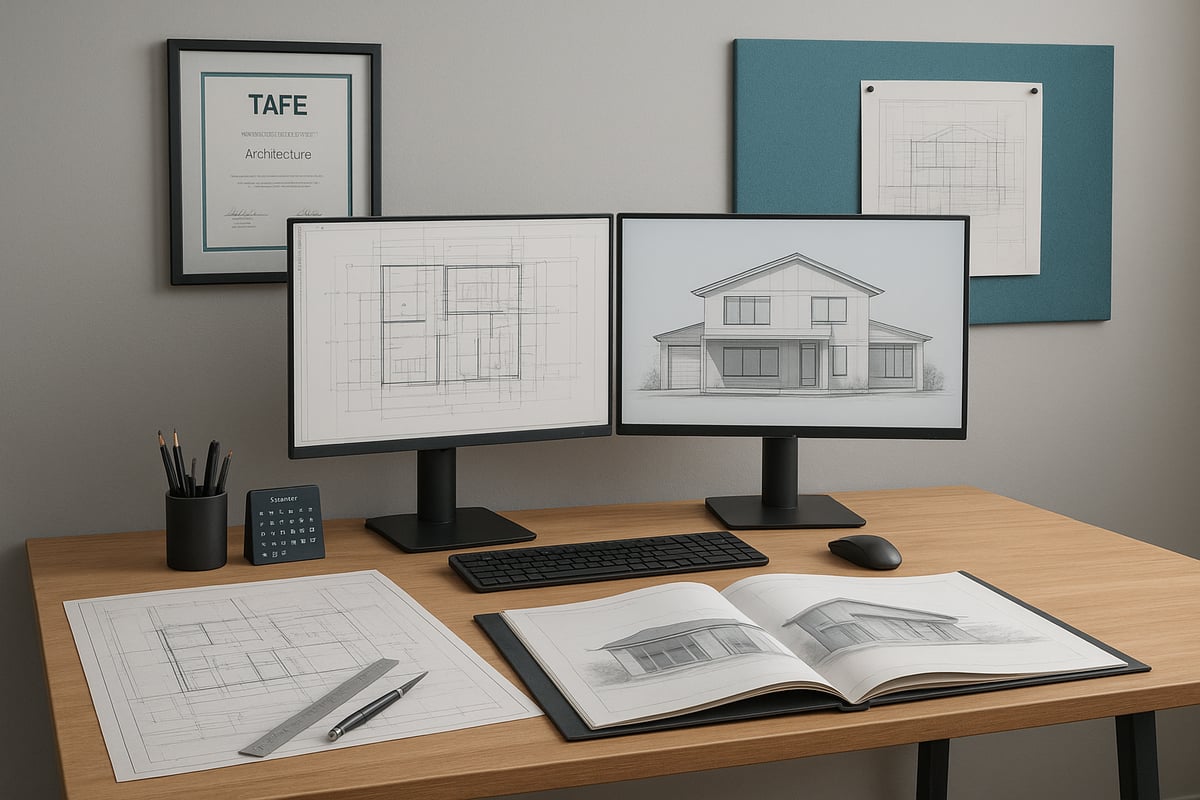
To become a registered draftsperson, you must first meet the minimum qualification standards. In Australia, this typically means completing a Certificate IV, Diploma, or Advanced Diploma in Building Design or Drafting. These qualifications provide the technical foundation needed for drafting roles.
Choosing a nationally recognised course is essential. Accredited providers, such as TAFE and reputable Registered Training Organisations (RTOs), offer programs designed to meet industry standards. For example, TAFE Victoria’s Diploma of Building Design is a popular choice, covering everything from technical drawing to compliance.
Online learning options are also available, allowing flexibility for those balancing work and study. When selecting a program, ensure it aligns with the requirements set by state registration boards. You can explore a detailed Architectural draftsperson career guide for further insights on qualifications and registration pathways.
Completion of these educational steps is the first key milestone for any aspiring registered draftsperson.
Gaining Practical Experience
After achieving the required qualifications, the next stage is gaining practical experience. Most registration authorities require at least two years of supervised work in a relevant drafting or building design environment.
This experience should be documented and include a variety of tasks, such as preparing technical drawings, assisting with compliance, and liaising with clients. Projects valued by registration boards often involve residential extensions, commercial fitouts, or small-scale developments.
Securing a junior draftsperson or internship role in a Melbourne-based firm is a common pathway. During this period, focus on building a portfolio that showcases your technical skills and project involvement. Include samples of completed drawings, project briefs, and any positive client feedback.
This hands-on experience is vital for developing the competencies needed for a successful registered draftsperson career.
The Registration Process Explained
The registration process for a registered draftsperson involves several clear steps. First, you’ll need to complete an application through your state’s regulatory body, such as the Victorian Building Authority (VBA). Documentation required typically includes proof of qualifications, a summary of supervised experience, and a professional portfolio.
After submitting your application, you may be asked to attend an interview or assessment. This evaluates your understanding of technical standards, legal obligations, and ethical practice. Registration boards look for evidence of competence in areas like compliance with the National Construction Code and effective client communication.
Common pitfalls include incomplete documentation or an insufficiently detailed portfolio. To avoid delays, double-check all requirements and seek guidance from mentors or professional associations. Here is a typical timeline for registration:
| Step | Timeframe |
|---|---|
| Application Prep | 1-2 months |
| Submission Review | 1-3 months |
| Interview/Assessment | 1 month |
| Approval | 1-2 months |
Throughout this process, the registered draftsperson must demonstrate technical skill, regulatory knowledge, and professional conduct. Consistent preparation and attention to detail will help ensure a smooth registration journey.
Maintaining Compliance and Ongoing Registration
Once registered, a draftsperson must commit to ongoing professional development. Most states require Continuing Professional Development (CPD) activities, which may include workshops, seminars, or online courses.
Annual renewal of your registration is necessary, along with maintaining suitable professional indemnity insurance. Registered draftspersons must also comply with all legal and ethical obligations, as outlined by their state authority.
Failure to meet these requirements can result in penalties, including suspension or cancellation of registration. Staying proactive about compliance ensures a long and successful career as a registered draftsperson.
Essential Skills and Tools for Draftspersons in 2026
Stepping into the future as a registered draftsperson means mastering a combination of technical expertise, regulatory knowledge, and adaptable professional skills. To thrive in the industry, you need more than just technical drawing abilities. Let us break down the essential skills and tools every registered draftsperson should develop to remain competitive and compliant in 2026.

Technical Skills and Software Proficiency
For a registered draftsperson, technical skills form the foundation of daily work. Mastery of industry-standard CAD software such as AutoCAD, Revit, and ArchiCAD is essential. These programs enable precise technical drawings, 3D modelling, and detailed documentation.
As Building Information Modelling (BIM) becomes the norm, expertise in platforms like Revit is particularly valued. Advanced skills in 3D modelling not only speed up project workflows but also increase employability. For a closer look at how these tools fit into the broader workflow, review the building design and drafting process, which outlines each step from initial concept to final plans.
| CAD/BIM Tool | Key Features | Industry Use |
|---|---|---|
| AutoCAD | 2D/3D drafting, annotation | Universal |
| Revit | BIM, parametric modelling | Architectural, BIM |
| ArchiCAD | Integrated design workflow | Building design, BIM |
Staying up to date with new software releases is vital for any registered draftsperson.
Communication and Project Management
Effective communication is critical for a registered draftsperson to collaborate with clients, engineers, and builders. Clear documentation, active listening, and concise presentations help avoid costly errors and ensure project alignment.
Project management skills are equally important. Familiarity with digital collaboration platforms and project tracking tools streamlines teamwork. Tools like Trello, Asana, or BIM 360 enable registered draftsperson professionals to monitor progress, allocate tasks, and meet deadlines efficiently.
A registered draftsperson who excels in communication and project management is more likely to deliver successful projects and build lasting client relationships.
Regulatory Knowledge and Standards
A registered draftsperson must possess a strong understanding of the National Construction Code (NCC), Building Code of Australia (BCA), and relevant Australian Standards. These frameworks guide the legal and safety aspects of every design.
Staying informed about local council requirements is crucial, especially when navigating planning permits for unit developments or complex projects. Regularly reviewing updates to codes and standards ensures that each registered draftsperson remains compliant and avoids legal complications.
For instance, knowing how to interpret recent changes in the NCC can make the difference between project approval and costly delays.
Soft Skills and Professional Attributes
Beyond technical know-how, a registered draftsperson needs a robust set of soft skills. Attention to detail, adaptability, and critical thinking are vital for solving design challenges and maintaining high-quality work.
Professionalism and ethical practice build trust with clients and colleagues. Here are key attributes every registered draftsperson should cultivate:
- Attention to detail
- Problem-solving mindset
- Adaptability to changing requirements
- Professional integrity
- Reliability and time management
Developing these qualities ensures a registered draftsperson can handle evolving industry expectations.
Staying Ahead: Adapting to Industry Trends
To remain relevant, a registered draftsperson must embrace new trends shaping the sector. Sustainability is at the forefront, with energy-efficient and eco-friendly design solutions in high demand.
Digital transformation continues to redefine workflows, with cloud-based collaboration and remote project delivery becoming standard. Adapting quickly to these innovations allows a registered draftsperson to offer greater value and stay ahead of competitors.
Continuous learning and openness to change are essential for long-term career growth as a registered draftsperson.
Industry Trends and Opportunities for Registered Draftspersons
The landscape for a registered draftsperson in 2026 is dynamic and full of potential. Understanding current industry trends and emerging opportunities is essential for anyone aiming to build a rewarding drafting career. Let us explore where the profession is heading and how you can position yourself for success.

Market Demand and Growth Areas
Australia's construction sector continues to expand, creating strong demand for the registered draftsperson in both metropolitan and regional areas. In Melbourne, residential renovations, extensions, and multi-unit developments are particularly robust. Nationally, infrastructure and commercial projects are also fuelling opportunities.
Key growth sectors include:
- Residential renovations and home extensions
- Multi-unit and townhouse developments
- Sustainable and energy-efficient building design
A registered draftsperson is increasingly sought after for projects prioritising sustainability, as clients and authorities focus on energy ratings and green building practices. This shift is reshaping the types of skills and knowledge that are most valued in the industry.
Emerging Technologies Shaping the Profession
Technology is rapidly transforming how a registered draftsperson works. The adoption of artificial intelligence, virtual reality, and automation tools is streamlining design processes and improving project outcomes.
For example, many firms now use VR for immersive client presentations, allowing stakeholders to virtually walk through a design before construction begins. Embracing these tools gives a registered draftsperson a competitive edge and enhances their ability to deliver innovative solutions.
Staying current with technological advancements is key to remaining relevant and in demand in the drafting profession.
Regulatory Changes and Their Impact
Regulatory requirements for a registered draftsperson are evolving as building codes and standards are updated to address new challenges. The 2026 revisions to the National Construction Code and related Australian Standards will place greater emphasis on safety, accessibility, and environmental performance.
These updates mean a registered draftsperson must be proactive in understanding legal obligations and adapting to changing compliance requirements. Navigating local council planning permits and staying informed about regulatory shifts will be crucial for ongoing success.
Salary Expectations and Career Progression
Salary prospects for a registered draftsperson vary depending on experience, specialisation, and location. Entry-level professionals can expect a solid starting salary, with significant increases as they move into senior or specialist roles.
| Experience Level | Average Salary (AUD) |
|---|---|
| Junior Draftsperson | $60,000 – $75,000 |
| Mid-Level | $75,000 – $95,000 |
| Senior/Lead | $95,000 – $120,000+ |
For detailed salary insights, consult the Draftsperson Salary Guide 2024-25. Career progression pathways include advancing to team leader, senior registered draftsperson, or even transitioning to building designer roles.
Networking and Professional Development
Active networking is vital for the registered draftsperson seeking new opportunities and professional growth. Joining industry associations such as Design Matters National provides access to:
- Industry events and webinars
- Continuing education resources
- Peer support and mentoring
Attending these events helps a registered draftsperson stay updated on industry trends and build valuable connections.
A focus on emerging markets, technology, compliance, and professional engagement ensures a registered draftsperson can thrive in 2026 and beyond.
Building a Successful Draftsperson Career Roadmap
Launching a successful journey as a registered draftsperson requires more than technical skills alone. Strategic planning, continuous development, and a strong professional presence are crucial for standing out in today’s competitive market. This roadmap outlines actionable steps to help you build, grow, and future-proof your career as a registered draftsperson.
Creating a Standout Portfolio and Resume
A compelling portfolio is essential for any registered draftsperson aiming to attract employers or clients. Include a curated selection of project samples showcasing your technical drawings, documentation, and design solutions. Highlight your role and responsibilities for each project. Adding client testimonials or feedback can further strengthen your credibility.
Embrace digital platforms by building an online portfolio or LinkedIn profile to reach a broader audience. Consider reviewing drafting services in Melbourne explained to understand current industry standards and expectations for portfolio presentation. Regularly update your materials to reflect new skills and completed projects.
Job Search Strategies and Interview Tips
To secure your ideal role as a registered draftsperson, explore specialist job boards, recruitment agencies, and professional networks. Attend industry events and webinars to connect with potential employers and peers. Leverage your network for job leads and referrals, as many roles are filled through word of mouth.
Prepare thoroughly for interviews by practising responses to common questions, such as describing your drafting process or experience with specific software. Demonstrate your understanding of compliance and industry trends. A proactive approach and tailored applications will help you stand out in the market.
Upskilling and Specialisation
Continual learning is key for a registered draftsperson to remain relevant and in demand. Enrol in short courses on sustainable design, Building Information Modelling (BIM), or project management to deepen your expertise. Gaining credentials such as a Green Star accreditation can open doors to specialised roles in sustainable building design.
Stay informed about industry advancements and incorporate new software or techniques into your workflow. Specialising in high-growth areas, like energy-efficient design, will position you as an expert and increase your value to employers and clients.
Setting Up as a Freelance or Contract Draftsperson
Many registered draftsperson professionals consider freelancing or contracting for greater autonomy and flexibility. Before starting, ensure you have an Australian Business Number (ABN), appropriate insurance, and clear contracts for every project. Understand your tax and compliance obligations to avoid legal issues.
Weigh the pros and cons of freelancing versus traditional employment. While freelancing offers independence and varied projects, it also requires self-motivation and business skills. Building a reputation for reliability and quality will help you secure ongoing work and referrals.
Long-Term Career Planning and Goal Setting
To achieve lasting success as a registered draftsperson, set clear and achievable career goals. Define your 1, 3, and 5-year objectives, such as advancing from junior to senior roles, leading a team, or establishing your own drafting business. Regularly track your progress and adjust your goals as your experience grows.
Researching salary benchmarks, such as those found on Draftsperson Salary in Australia, can help inform your career decisions and negotiations. Strategic planning and a commitment to professional development will keep your career on an upward trajectory.
Frequently Asked Questions About Becoming a Registered Draftsperson
Embarking on the journey to become a registered draftsperson often raises many questions. Below, we address the most common queries to help you make informed decisions and set realistic expectations for your career path.
What is the difference between a draftsperson and an architect?
A registered draftsperson focuses on preparing detailed technical drawings and documentation for building projects, ensuring compliance with codes and standards. In contrast, architects handle concept design, project management, and often oversee the entire construction process. The table below summarises their key differences:
| Role | Main Focus | Legal Authority | Typical Projects |
|---|---|---|---|
| Registered Draftsperson | Technical drawings, documentation | Limited to certain building types | Residential, small commercial |
| Architect | Design, project oversight | Broad, including complex structures | Large commercial, public works |
How long does it take to become registered?
Becoming a registered draftsperson typically takes between three and five years. This includes completing a relevant qualification, such as a Diploma of Building Design, followed by at least two years of supervised practical experience. The registration process itself may take several months, depending on documentation and assessment timelines.
Can I become a registered draftsperson without a university degree?
Yes, you do not need a university degree to become a registered draftsperson. Most candidates complete a Certificate IV, Diploma, or Advanced Diploma in Building Design or Drafting through TAFE or a Registered Training Organisation. These pathways are nationally recognised and meet the requirements set by registration authorities.
What are the most valued skills in the industry right now?
Employers are seeking registered draftsperson professionals with advanced CAD and BIM software skills, strong knowledge of the National Construction Code, and proficiency in client communication. Adaptability, attention to detail, and a willingness to upskill are also in high demand, reflecting the evolving nature of the industry.
Is there demand for registered draftspersons in regional Australia?
Yes, there is significant demand for registered draftspersons across both metropolitan and regional areas. The ongoing growth in residential and commercial construction, particularly in regional centres, has created opportunities for skilled professionals. Regional employers often value local knowledge and the ability to work independently.
How do I maintain my registration and stay compliant?
To maintain your status as a registered draftsperson, you must complete regular Continuing Professional Development (CPD), renew your registration, and ensure you have appropriate insurance. Non-compliance with these obligations can result in penalties or suspension of your registration. For those involved in design work, understanding the Design Rights Application Process is also valuable to protect your intellectual property.
What are the biggest challenges draftspersons face in 2026?
In 2026, registered draftspersons face challenges such as keeping pace with new building regulations, mastering emerging technologies like BIM and AI, and balancing client expectations with compliance. Staying connected with industry bodies and participating in ongoing training will help you overcome these hurdles and build a sustainable career.
As you look ahead to building a rewarding career as a registered draftsperson, remember that every successful journey starts with a clear plan and the right support. Whether you're aiming to master new skills, navigate the registration process, or bring complex residential projects to life, having experienced professionals by your side can make all the difference. At TJR Projects, we understand your ambitions and are committed to helping you achieve your goals with personalised, cost effective design and drafting solutions tailored to your needs. Ready to take the next step toward your future in Melbourne's dynamic industry? Request an Initial Consultation