
In 2026, the drafting profession is evolving at a pace never seen before. As technology reshapes design and construction, draftsmen face new challenges and opportunities every day. Staying relevant now means more than technical know-how—it demands adaptability, digital fluency, and a commitment to lifelong learning.
Quick answer: To thrive in 2026, draftsmen must master a blend of advanced technical and soft skills. This includes digital fluency with tools like CAD, BIM, and AI, alongside adaptability and a commitment to continuous learning. These capabilities are crucial for navigating the evolving demands of design and construction, ensuring career longevity in both traditional and digital environments.
This article uncovers the seven essential skills every draftsman must master to thrive in both traditional and digital environments. From advanced CAD to sustainable design and teamwork, these capabilities are your blueprint for future-proofing your career. Are you ready to assess and elevate your skills for the future of drafting?
The Evolving Role of Draftsmen in 2026
The role of draftsmen is undergoing rapid transformation as technology, client expectations, and regulations reshape the industry. In 2026, staying ahead means adapting to an evolving landscape, mastering both technical and soft skills, and embracing new responsibilities.
The Impact of Technology and Automation
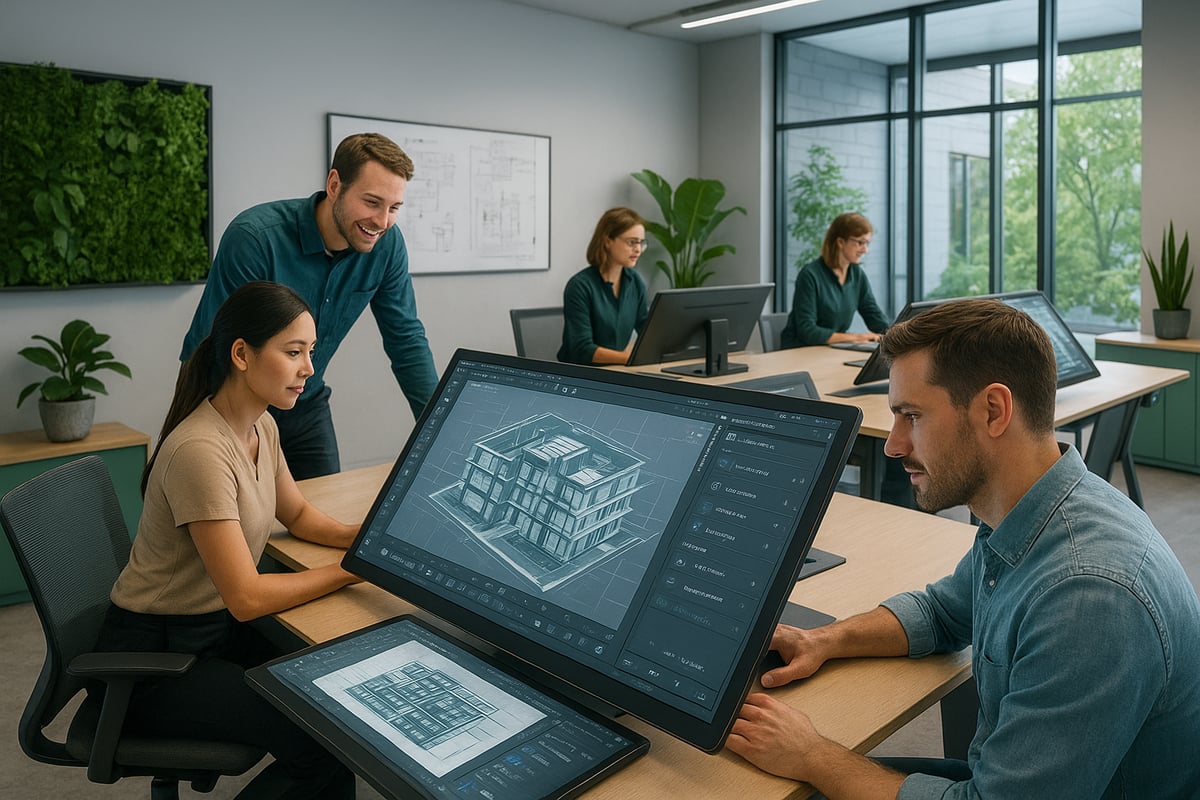
Technological advancements are revolutionising how draftsmen work. Tools like advanced CAD, BIM, and AI-driven platforms are now central to drafting workflows. Australian design firms are rapidly adopting digital solutions, with over 70% using BIM and collaborative cloud tools, according to recent industry surveys.
Draftsmen are expected to integrate these digital tools into daily routines, automating repetitive tasks and improving project accuracy. For example, firms in Melbourne use AI-powered software to detect design clashes before construction begins. The Digital Technology Trends in the AEC Industry 2025 Report Summary highlights that digital skills are now a primary differentiator for professionals in this field.
Staying updated with the latest software releases, plugins, and automation features is essential for draftsmen to remain competitive and efficient.
Industry Demands and Client Expectations
The expectations placed on draftsmen have shifted considerably. Today, draftsmen often take on multi-disciplinary roles, participating in all project phases from concept to completion. This trend means draftsmen are frequently liaising directly with clients, engineers, and builders to ensure seamless communication and project delivery.
Adaptability is vital. Employers now seek draftsmen who are comfortable stepping beyond traditional documentation tasks to provide input on project coordination and problem-solving. In a recent Melbourne development, a draftsman managed documentation, facilitated design meetings, and coordinated with multiple stakeholders, demonstrating the broadened scope of the role.
Continuous learning is no longer optional, as industry demands evolve rapidly and new challenges emerge.
Regulatory and Sustainability Trends
Draftsmen must now navigate a complex web of regulations and sustainability requirements. Recent updates to the National Construction Code and local council guidelines have placed greater emphasis on compliance, fire safety, accessibility, and energy efficiency.
Sustainable design has become a core responsibility, with draftsmen integrating eco-friendly materials and passive strategies into their plans. For instance, the introduction of stricter energy standards in Victoria has prompted draftsmen to prioritise thermal performance and renewable technologies in their designs.
Keeping pace with regulatory changes and environmental standards is crucial for draftsmen, ensuring every project meets both legal and client expectations.
Soft Skills vs. Technical Skills
Success in 2026 hinges on balancing technical mastery with strong interpersonal abilities. While expertise in CAD and BIM remains critical, employers increasingly value draftsmen who excel in communication, collaboration, and teamwork.
Problem-solving is a sought-after trait, as draftsmen often face complex design challenges under tight deadlines. Insights from leading Australian design podcasts confirm that teams benefit most when technical skills are complemented by effective negotiation and conflict resolution.
Developing both hard and soft skills ensures draftsmen can thrive in diverse project environments and adapt to the industry's ongoing evolution.
7 Essential Skills Every Draftsmen Should Master in 2026
Staying ahead in the drafting industry means more than just keeping up with trends. In 2026, draftsmen must master a diverse set of skills to remain competitive, adaptable, and indispensable. From technical expertise in advanced software to mastering soft skills like collaboration and creative problem-solving, the expectations are rising. The following sections break down the seven core competencies that every professional should prioritise for future-ready success.
1. Advanced Computer-Aided Design (CAD) Proficiency
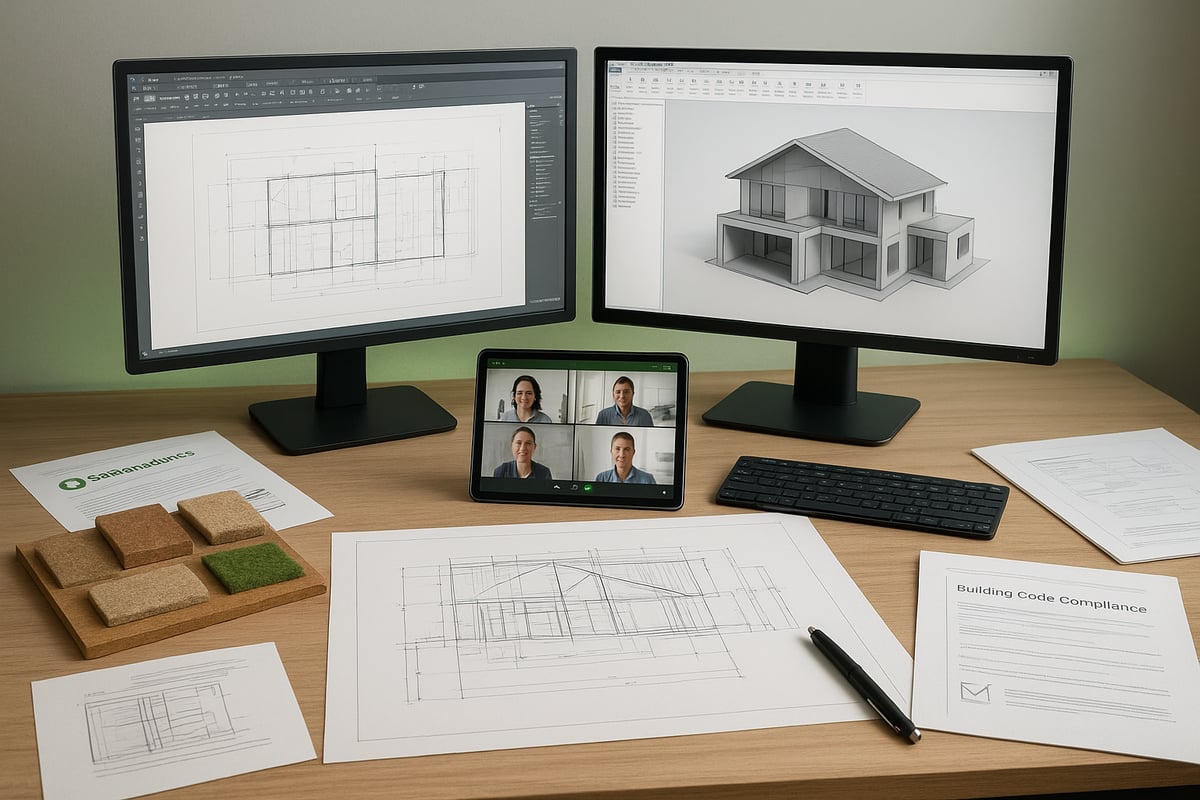
For draftsmen, proficiency in leading CAD software is non-negotiable. Mastering tools such as AutoCAD, Revit, and ArchiCAD provides the foundation for efficient, precise, and creative work. The shift toward 3D modelling, rendering, and visualisation has transformed how draftsmen present ideas and secure client approvals.
A Sydney multi-residential project recently leveraged 3D visualisations to fast-track client sign-off. By presenting immersive walkthroughs and realistic renders, draftsmen bridged the gap between concept and reality, reducing costly revisions. This approach has become a benchmark for client engagement and project efficiency.
Job listings consistently highlight CAD expertise as a top requirement for draftsmen. The most in-demand skills include 3D modelling, parametric design, and proficiency in rendering engines. The table below summarises the current market demand:
| CAD Skill | % of Job Listings Requiring |
|---|---|
| 3D Modelling | 85% |
| AutoCAD Proficiency | 90% |
| Revit Expertise | 75% |
| Rendering Techniques | 60% |
Keeping up with frequent software updates is just as important. New features can streamline workflows, automate repetitive tasks, and enhance output quality. Draftsmen should dedicate time to ongoing education, whether through official certification programs or online tutorials. Many firms now offer in-house workshops or sponsor external training to ensure their teams stay current.
To maintain a competitive edge, draftsmen should:
- Schedule regular training sessions for new software features.
- Join online communities to share tips and troubleshoot issues.
- Pursue certification in at least one leading CAD platform.
The demand for advanced CAD proficiency will only intensify, making it a core skill for all draftsmen in 2026.
2. Building Information Modelling (BIM) Expertise
BIM has revolutionised the construction and design industries. Draftsmen who excel in BIM can create, manage, and share intelligent building models that support collaboration and efficiency across projects. BIM workflows integrate design, documentation, and project management, streamlining communication between all stakeholders.
Draftsmen with strong BIM skills are in high demand in Australia, especially as major infrastructure projects increasingly mandate BIM from the outset. For example, a recent hospital redevelopment in Brisbane used BIM to reduce errors and identify clashes before construction began. This proactive approach saved significant time and cost, highlighting why BIM expertise is now essential.
Adoption rates for BIM in Australian construction have climbed steadily. According to industry surveys, over 60% of large firms now require at least partial BIM integration in their projects. Draftsmen must be comfortable working in collaborative environments, using cloud-based tools for real-time model sharing and updates.
Key capabilities for draftsmen include:
- Creating comprehensive BIM models with accurate geometry and data.
- Linking BIM with cost estimation and project management software.
- Managing version control and model coordination across teams.
Recommended resources for ongoing BIM development:
- Industry-recognised BIM certification courses.
- Online learning platforms with up-to-date BIM modules.
- Participation in BIM user groups and forums.
By prioritising BIM expertise, draftsmen position themselves as indispensable contributors to modern project delivery.
3. Strong Technical Drawing and Detailing Skills
Despite advances in digital tools, the ability to produce precise technical drawings remains a cornerstone for draftsmen. Clear, accurate documentation ensures that design intent is translated faithfully to construction, minimising the risk of costly mistakes.
Knowledge of Australian standards and regulatory requirements is crucial. Draftsmen must detail for various construction methods and materials, ensuring compliance and constructability. A recent case study from a Melbourne commercial fit-out demonstrated how meticulous detailing prevented site errors and project delays.
Attention to annotation, dimensioning, and drawing clarity sets exceptional draftsmen apart. The following checklist supports high-quality technical drawing:
- Use standardised symbols and notation for consistency.
- Apply clear, legible dimensioning and annotation.
- Double-check all details for constructability and compliance.
- Leverage digital templates to streamline production.
Draftsmen benefit from utilising advanced drawing tools and templates that align with local standards. Investing time in refining technical drawing skills ensures that documentation meets client and regulatory expectations.
Regular peer reviews and feedback loops can further improve drawing quality. Ultimately, strong technical drawing skills are a mark of professionalism and reliability for all draftsmen.
4. Understanding of Building Codes and Compliance
Draftsmen must stay current with the National Construction Code (NCC) and local council regulations. Compliance is an evolving target, with changes impacting every phase of a project. Familiarity with the NCC, planning permits, fire safety, accessibility, and energy efficiency standards is non-negotiable.
Draftsmen working in heritage overlay zones, such as in Victoria, face additional challenges. Projects require careful interpretation of compliance requirements to balance preservation with modern standards. Navigating these complexities demands both technical knowledge and practical problem-solving.
Resources like the NCC 2025 Finalised and Residential Updates Paused Until 2029 article provide valuable updates on regulatory changes affecting draftsmen. Staying informed helps avoid common compliance pitfalls, such as missing mandatory documentation or overlooking recent amendments.
Key strategies for draftsmen include:
- Regularly reviewing NCC updates and local council bulletins.
- Attending compliance workshops and seminars.
- Maintaining a library of up-to-date reference materials.
A proactive approach to compliance not only reduces risk but also builds trust with clients and project partners. For draftsmen, mastering regulatory frameworks is vital for delivering safe, legal, and sustainable outcomes.
5. Effective Communication and Collaboration
Draftsmen are increasingly expected to liaise directly with architects, engineers, builders, and clients. Effective communication ensures that project goals are understood and achieved, reducing the risk of costly misinterpretations.
Clear written and verbal communication is fundamental for coordinating design changes, resolving conflicts, and managing expectations. Digital collaboration tools, such as cloud-based platforms and real-time markups, have become standard in many Australian firms.
A recent commercial fit-out project highlighted the value of proactive communication. Draftsmen who facilitated regular team meetings and shared updates through collaborative tools achieved smoother project delivery and higher client satisfaction.
Essential soft skills for draftsmen include:
- Active listening to fully understand project requirements.
- Negotiation to resolve conflicting priorities.
- Conflict resolution to maintain positive team dynamics.
Draftsmen can benefit from training in communication and teamwork, whether through formal courses or on-the-job mentoring. Strong collaboration skills enhance productivity and foster long-term professional relationships.
6. Sustainable Design and Environmental Awareness
Sustainability is no longer a niche consideration—it is central to modern drafting. Draftsmen must integrate passive design strategies, energy-efficient solutions, and sustainable materials into every project. Understanding the lifecycle impact of materials and pursuing environmental certifications, such as Green Star, is becoming standard practice.
Draftsmen played a pivotal role in drafting for a net-zero energy residential project in Adelaide. By specifying high-performance insulation, optimising building orientation, and selecting low-impact materials, the project achieved ambitious sustainability targets.
The demand for sustainable building projects is rising across Australia. According to recent reports, green-certified developments have grown by over 25% in the last five years. Draftsmen with expertise in environmental design are highly sought after.
Key areas for ongoing development include:
- Staying updated on sustainable construction practices.
- Learning about new materials and technologies.
- Attending workshops focused on green building principles.
Continued education in sustainability empowers draftsmen to deliver projects that meet both client expectations and environmental standards.
7. Problem-Solving and Critical Thinking
Every project presents unique challenges. Draftsmen who approach problems with creativity and structured analysis are better equipped to deliver effective solutions. Strong problem-solving skills help identify issues early, reducing the risk of costly delays or rework.
For example, a complex renovation in Brisbane required innovative thinking to resolve structural constraints within a tight budget. The draftsmen employed root cause analysis and brainstorming techniques, arriving at a solution that satisfied both the client and regulatory bodies.
Draftsmen can adopt frameworks such as Six Thinking Hats or root cause analysis to structure their approach. The table below outlines key tools for developing problem-solving skills:
| Tool/Method | Application |
|---|---|
| Six Thinking Hats | Structured brainstorming |
| Root Cause Analysis | Identifying underlying issues |
| SWOT Analysis | Evaluating options and strategies |
Adaptability is also crucial, as project requirements can change rapidly. Draftsmen should seek feedback, reflect on outcomes, and remain open to new ideas. Building a problem-solving mindset not only enhances individual performance but also contributes to project success.
Upskilling Strategies for Draftsmen in 2026
Staying ahead in the drafting industry requires a proactive approach to learning and self-improvement. As the landscape changes, draftsmen who regularly upskill set themselves apart, ensuring they remain competitive and adaptable. The following strategies offer practical pathways for draftsmen to grow, thrive, and futureproof their careers in 2026.

Continuous Professional Development
For draftsmen, ongoing education is not just a recommendation, it is a necessity. New software updates, construction methods, and compliance requirements mean skills can quickly become outdated.
Consider enrolling in industry-recognised certifications, hands-on workshops, or flexible online courses to keep pace with change. Participating in professional associations like BDAA or Design Matters National provides networking opportunities and access to valuable resources. To see how these skills align with current industry needs, review this comprehensive drafting services overview for further insights.
Leveraging Mentorship and Peer Learning
Mentorship accelerates growth for draftsmen by providing practical, real-world advice from experienced professionals. Joining peer learning groups or knowledge-sharing forums enables draftsmen to exchange ideas, troubleshoot challenges, and stay informed about the latest trends.
Many leading firms encourage mentorship programs, which help draftsmen build confidence and expand their networks. Learning through collaboration not only sharpens technical skills but also enhances communication and teamwork abilities.
Embracing New Technologies
Draftsmen who experiment with emerging tools like VR, AR, and AI-driven drafting assistants gain a competitive edge. Early adopters often find new ways to improve accuracy, efficiency, and client engagement.
For example, integrating automation into daily workflows can reduce repetitive tasks, allowing draftsmen to focus on creative problem-solving. Staying curious and open-minded about technology ensures draftsmen remain at the forefront of industry innovation.
Building a Personal Portfolio
A strong digital portfolio demonstrates the full range of a draftsman’s abilities. Include diverse project samples, from technical drawings to 3D models and sustainable design solutions.
Regularly updating your portfolio with recent work helps draftsmen showcase growth and adaptability to potential employers and clients. Use clear visuals, concise project descriptions, and client testimonials where possible to create a compelling narrative.
Setting Career Goals and Tracking Progress
Setting clear, measurable goals is essential for draftsmen aiming to advance their careers. Develop a personalised roadmap, identifying areas for improvement and setting timelines for achieving new competencies.
Utilise self-assessment tools, seek feedback from peers or supervisors, and schedule regular performance reviews. Tracking progress helps draftsmen stay motivated and ensures ongoing professional development remains a priority.
As you reflect on these seven essential skills for draftsmen in 2026, it's clear that staying ahead means not just keeping up with industry trends, but also embracing continuous learning and collaboration. Whether you're planning an extension, renovation, or a brand new home, working with a team that values precision, communication, and innovative design makes all the difference. If you're ready to put these principles into practice for your own project, let's start a conversation about how we can bring your vision to life. Request an Initial Consultation