

Drafting in 2026 is rapidly transforming, driven by new technologies and higher standards across Australia's architecture, construction, and design sectors. The role of the draftsman is now more vital than ever, with employers seeking professionals who can blend technical expertise, regulatory knowledge, and creative thinking. Mastering the right skills is essential to remain competitive, deliver precise and compliant plans, and embrace innovation. In this guide, discover the seven key skills every draftsman should develop to excel, understand why they matter, and learn how to future-proof your drafting career.
Quick answer: To master drafting in 2026, professionals must blend technical expertise with regulatory knowledge and creative thinking. Essential skills include proficiency in digital drafting tools like BIM platforms, adapting to evolving digital workflows, understanding stricter regulations, and meeting sustainability and client service demands. Mastering these skills is crucial for remaining competitive and delivering precise, compliant plans.
The Evolving Role of Draftsmen in 2026
The role of the draftsman is changing rapidly as architecture, engineering, and construction industries embrace new technologies and higher standards. In 2026, professionals in this field must adapt to digital workflows, stricter regulations, and the growing demands of sustainability and client service. This evolution shapes not only daily responsibilities but also the skills and mindset required for success.
The Shift from Traditional to Digital Drafting
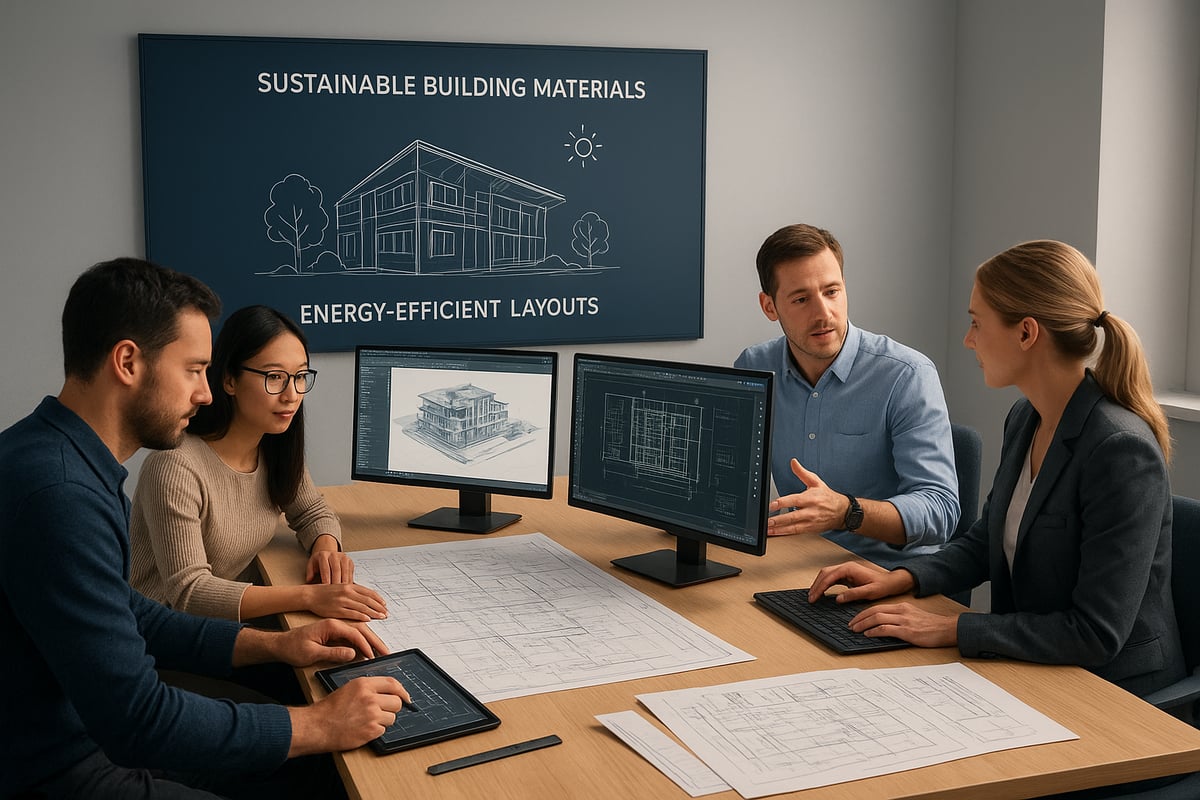
In the past, a draftsman relied mainly on manual drawing boards and paper plans. Today, the industry is driven by digital transformation. Tools like AutoCAD, Revit, and cloud-based BIM platforms have become standard. These technologies allow a draftsman to produce, edit, and share complex 2D and 3D models with ease.
Digital workflows also improve collaboration and version control, making projects more efficient. For a deeper look at how technology is reshaping the field, see Digital Transformation in AEC Industry. Adapting to these changes is essential for every draftsman aiming to remain relevant in 2026.
Increased Regulatory and Compliance Demands
Australian building codes and planning regulations have become more complex in recent years. A draftsman must now interpret the National Construction Code, local council rules, and state-specific requirements for each project. This level of detail means accuracy is crucial.
Mistakes or oversights can lead to permit rejections or costly revisions. According to Airtasker reviews, compliance issues are among the most common challenges faced by draftsmen. Staying up to date with code changes helps a draftsman minimise these risks and deliver reliable results.
Collaboration in Multi-Disciplinary Teams
The modern draftsman is a central communicator within project teams. They bridge the gap between architects, engineers, builders, and clients. This collaboration is especially important when preparing documentation for council submissions or complex developments.
For example, a draftsman might coordinate with structural consultants and planners to ensure every aspect of a multi-unit project is covered. Strong teamwork helps a draftsman anticipate issues early, streamline approvals, and keep projects on track.
The Push for Sustainability and Innovation
Sustainability is now a key focus in the Australian construction sector. A draftsman must incorporate energy efficiency and green building standards into their plans. This includes specifying sustainable materials, designing for passive heating or cooling, and meeting new environmental requirements.
At the same time, the importance of client-centric service has grown. A successful draftsman listens carefully to homeowners, developers, and builders, customising solutions to match their needs. Clear communication and transparency are essential for building trust and achieving high client satisfaction rates, as shown by positive reviews across industry platforms.
7 Essential Skills Every Draftsman Should Master in 2026
Mastering the right skills is vital for any draftsman aiming for success in 2026. The industry’s shift toward digital, compliance-driven, and collaborative workflows means the expectations for a draftsman are higher than ever. Below, we break down the seven essential skills every draftsman needs, why they matter, and how they future-proof your career.
1. Advanced CAD and BIM Proficiency
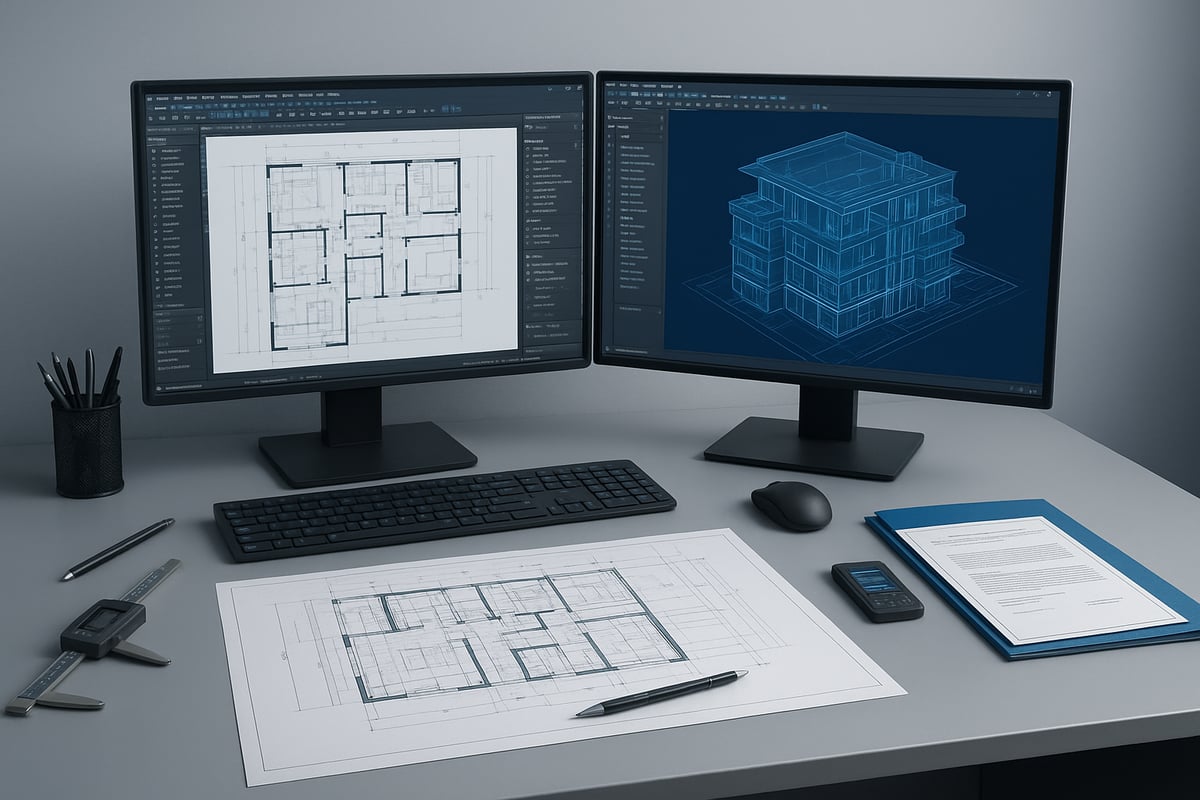
In 2026, a draftsman must be fluent in the latest digital tools. Mastery of platforms like AutoCAD, Revit, and ArchiCAD is now considered the baseline for the modern draftsman. These tools enable the efficient creation, editing, and management of both 2D and 3D models, which is essential for meeting client and regulatory demands.
Industry-standard software is constantly evolving. A draftsman should stay updated with new features, cloud integrations, and even VR or AR support. Using templates and libraries within CAD and BIM platforms can dramatically reduce project turnaround times, allowing a draftsman to focus on creative and technical solutions rather than repetitive tasks.
Collaboration is also enhanced. With cloud-based BIM, a draftsman can share real-time updates and maintain strong version control, reducing errors in multi-disciplinary teams. In fact, 90% of Australian drafting jobs now list advanced CAD/BIM skills as a requirement. Employers are increasingly testing for software proficiency during the hiring process, making this skill non-negotiable for a draftsman’s toolkit.
Regular upskilling ensures a draftsman remains competitive. Whether it’s learning new plugins, exploring AI-powered drafting tools, or mastering parametric design, the ability to adapt to technological advancements sets a draftsman apart from the crowd.
2. In-Depth Knowledge of Australian Building Codes and Regulations
A skilled draftsman must have a deep understanding of the National Construction Code (NCC), local council rules, and state-specific regulations. Compliance is not optional. For a draftsman, the ability to interpret and apply these codes to residential, commercial, and multi-unit projects is critical for success and risk management.
Each year, the NCC and other regulations are updated. A draftsman needs to stay informed about these changes to avoid costly permit delays. For example, by keeping documentation compliant, a draftsman can prevent rejections that might otherwise set a project back weeks or even months.
Draftsmen also navigate complex overlays, heritage restrictions, and zoning laws. These factors can complicate even straightforward projects. A draftsman who understands how to address these issues is invaluable to clients and project teams. Compliance also protects the draftsman from liability and ensures that all plans are buildable and legal.
Real-life scenarios show that a draftsman’s expertise in regulations directly correlates with smoother council submissions and faster approvals. As regulations become more complex, the demand for a knowledgeable draftsman only increases. Staying up to date is essential for both career advancement and project success.
3. Precision in Technical Drawing and Documentation
Accuracy is at the heart of a draftsman’s value. Producing clear, detailed plans, elevations, and sections is essential for builders and trades to execute a project correctly. A draftsman must use standard drawing conventions, symbols, and notations to ensure everyone can interpret the plans without confusion.
Quality control is a vital step in the drafting process. By implementing thorough checking procedures, a draftsman can minimise errors and omissions that might otherwise lead to costly mistakes. For example, preparing red line plans for permits is a crucial aspect of technical documentation, helping to streamline the approval process and reduce the risk of rework.
Errors in drafting can increase project costs by 10 to 20 percent. This highlights why a draftsman must prioritise precision and attention to detail. Clients consistently rate draftsmen higher when they deliver build-ready, error-free plans, as these documents form the blueprint for the entire construction process.
A draftsman who excels in technical documentation demonstrates professionalism and reliability. By producing accurate plans, a draftsman not only protects the project’s budget but also builds trust with clients and collaborators.
4. Effective Communication and Collaboration Skills
The role of a draftsman extends beyond technical drawing. Strong communication skills are necessary for liaising with architects, engineers, builders, and clients. Throughout the project lifecycle, a draftsman must translate technical jargon into clear, client-friendly language.
Managing feedback, revisions, and approvals efficiently is another key responsibility. For instance, coordinating with consultants on multi-dwelling developments requires a draftsman to facilitate smooth information flow between all parties. This helps prevent misunderstandings and keeps the project on track.
Clear communication is directly linked to project performance. Studies show that projects with strong communication experience 30 percent fewer delays. Soft skills, such as active listening and empathy, are just as important as technical expertise for a draftsman in 2026.
A draftsman who can effectively manage collaboration and feedback builds stronger relationships with clients and the project team. This not only improves project outcomes but also enhances the draftsman’s reputation in the industry.
5. Problem-Solving and Critical Thinking
Every project presents unique challenges. A draftsman must be able to identify design and compliance issues early, before they escalate into bigger problems. Proactive problem-solving is a hallmark of a skilled draftsman.
Practical examples include adjusting plans to accommodate site constraints or dealing with heritage overlays. By proposing cost-effective, compliant solutions, a draftsman can tailor outcomes to client needs while maintaining project feasibility.
Critical thinking helps a draftsman reduce project risk. Data reveals that 60 percent of successful projects attribute their outcomes to proactive problem-solving. Clients and employers alike value a draftsman who can anticipate obstacles and offer creative, workable solutions.
This skill also enhances client trust. When a draftsman demonstrates initiative and resourcefulness, it reassures stakeholders that their project is in capable hands. A draftsman who excels here adds significant value to every job.
6. Project Management and Time Efficiency
Organisational skills are essential for any draftsman juggling multiple deadlines. Setting clear milestones, prioritising tasks, and using project management tools are all part of delivering projects on time and within budget.
A draftsman often manages several projects for different clients simultaneously. Balancing quality with efficiency is critical. Rushed work can lead to errors, but delays can damage a draftsman’s reputation and profitability.
Utilising digital project management platforms helps a draftsman track progress, communicate updates, and maintain transparency with clients. Data shows that draftsmen who consistently deliver on time enjoy 25 percent more repeat business, underlining the importance of reliability.
Time management is not just about speed. It’s about ensuring that every draftsman meets quality standards while respecting client timelines. A draftsman who can strike this balance is highly sought after in the industry.
7. Commitment to Continuous Learning and Adaptability
The drafting industry evolves rapidly. A successful draftsman must stay current with new technologies, materials, and design trends. Whether it’s learning about sustainability or adopting the latest BIM features, continuous learning is essential for maintaining a competitive edge.
Participating in professional development, such as courses through BDAA or Design Matters, helps a draftsman remain relevant and informed. For example, adopting new software or sustainability practices before competitors can set a draftsman apart in the marketplace.
Data indicates that 75 percent of top-rated draftsmen invest regularly in upskilling. Adaptability is a key trait. The most successful draftsman is one who embraces change and seeks out new knowledge to stay ahead.
Setting personal development goals ensures a draftsman is always improving. By committing to lifelong learning, a draftsman safeguards their career and enhances their value to clients and employers.
How to Develop and Strengthen These Skills
Becoming a highly skilled draftsman in 2026 requires more than just technical ability. It involves continuous learning, adapting to new technologies, and building strong industry connections. By investing in your professional development, you can keep your skills sharp, meet industry standards, and stay ahead in a competitive market.
Education and Formal Training Pathways
Formal education is the cornerstone of any successful draftsman career. TAFE courses, university degrees, and accredited short courses offer comprehensive training in drafting, design, and compliance. Pursuing relevant certifications and staying updated on industry standards, such as the National Construction Code 2025 Updates, is vital for compliance and best practice. Regularly enrolling in new courses ensures your knowledge remains current and aligned with evolving requirements. This proactive approach positions every draftsman for long-term success.
On-the-Job Learning and Mentorship
Practical experience is essential for any draftsman aiming to master their craft. Working on real projects exposes you to common challenges and industry expectations. Seeking mentorship from senior draftsmen, architects, or builders can accelerate your learning curve. Constructive feedback helps you refine your techniques and understand the nuances of project delivery. By actively engaging in project teams, a draftsman can improve both technical and soft skills, ensuring steady professional growth.
Leveraging Technology and Online Resources
The modern draftsman must embrace new technologies and digital tools. Participating in webinars, online tutorials, and industry forums helps you stay ahead of the curve. For example, learning about AI-Powered CAD in Drafting can give you a competitive edge as these tools become mainstream. Manufacturer-led training and online communities provide practical insights into software updates and best practices, supporting continuous improvement for every draftsman.
Building a Professional Network
Networking is a powerful way to support your development as a draftsman. Joining industry associations, attending events, and collaborating with peers allow you to exchange knowledge and discover new opportunities. Building relationships with other professionals can lead to mentorship, project partnerships, and exposure to industry trends. A strong network also helps draftsmen stay informed about regulatory changes, best practices, and emerging technologies.
Setting Personal Development Goals
Setting clear, achievable goals is crucial for ongoing growth. Regularly assess your strengths and identify areas needing improvement. Create a yearly roadmap for learning new skills, whether mastering advanced software, understanding new regulations, or improving communication. Tracking your progress helps you stay motivated and ensures steady advancement in your draftsman career.
Career Opportunities and Industry Outlook for Draftsmen in Australia
Australia’s design and construction landscape is rapidly transforming, creating fresh opportunities for every draftsman. With new projects emerging in both urban and regional areas, the role is more dynamic than ever. Understanding the current industry outlook helps a draftsman plan for professional growth and long-term job security.

Growing Demand Across Sectors
The demand for skilled draftsman professionals is surging across residential, commercial, and infrastructure sectors. As Australia invests in new housing, transport, and public amenities, the need for accurate and compliant drafting is only increasing.
According to recent industry projections, draftsman roles are set to grow steadily through 2026. Emerging construction trends, such as digital design and sustainable building, are fuelling this demand. For more insight on sector growth and upcoming opportunities, see Emerging Construction Trends 2026.
Evolving Job Titles and Specialisations
The modern draftsman is no longer limited to traditional titles. Many are transitioning into roles like building designer, BIM technician, or documentation specialist. This shift reflects the industry’s need for multi-skilled professionals who can bridge the gap between design, compliance, and technology.
Specialising in areas like sustainability or heritage projects can set a draftsman apart. For those considering a broader career path, explore the opportunities outlined in Building designer career pathways.
Salary Trends and Earning Potential
Earning potential for a draftsman in Australia varies based on experience, location, and specialisation. Entry-level professionals can expect a competitive starting salary, while those with advanced skills or niche expertise often command higher rates.
| Level | Average Salary (AUD) | Influencing Factors |
|---|---|---|
| Entry | $55,000 – $65,000 | Education, region |
| Experienced | $70,000 – $90,000 | Project size, skills, sector |
| Specialist/Designer | $95,000+ | Leadership, portfolio, demand |
Draftsman professionals who invest in upskilling and take on complex projects typically see faster salary growth and greater job satisfaction.
The Impact of Technology on Career Progression
Technology is reshaping the trajectory of every draftsman. Automation and AI are streamlining repetitive tasks, allowing professionals to focus on design, compliance, and client consultation.
Staying ahead means embracing new software, digital collaboration tools, and advanced modelling platforms. Draftsman professionals who regularly update their technical skills will remain indispensable as the industry evolves.
Pathways to Advancement
Career progression for a draftsman extends beyond technical drawing. Many move into project management, consulting, or design leadership roles over time.
Building a strong portfolio, maintaining a satisfied client base, and networking within the industry are key steps. By continually developing new skills and embracing change, a draftsman can secure a rewarding, future-proof career.
After exploring the evolving role of draftsmen and the essential skills you need to stay ahead in 2026, it's clear how much expertise and adaptability matter in this field. Whether you're aiming to refine your technical abilities or ensure every detail aligns with Australian building codes, having the right guidance makes all the difference. If you're ready to put these skills into action and see how professional drafting can transform your project, let's connect. Share your ideas and let us help you bring your vision to life—Share Your Vision with TJR Projects today.