

The architectural landscape in Australia is changing fast, and by 2026, the expectations for an architectural draftsman will reach new heights. With nearly 1,000 drafting jobs currently advertised, employers now seek professionals who combine technical expertise with adaptability and strong communication. To stay relevant, every architectural draftsman must develop a unique mix of skills that go far beyond traditional drafting. Curious about which abilities will set you apart? Keep reading to discover the seven essential skills that will help you future-proof your career and excel in the evolving world of architecture.
Quick answer: By 2026, essential skills for an architectural draftsman will extend beyond traditional drafting to include adaptability, strong communication, and advanced technical expertise. The evolving Australian architectural landscape demands professionals capable of handling complex projects, collaborating with diverse teams, and integrating new technologies like BIM and sustainability practices to remain competitive.
The Evolving Role of the Architectural Draftsman
The role of the architectural draftsman is undergoing rapid transformation across Australia. Modern projects are more complex, and the expectations for technical skills and adaptability are rising. To remain competitive, an architectural draftsman must navigate shifting industry demands, new technologies, and evolving work environments.

Increased Complexity in Architectural Projects
Today’s architectural projects require a multidisciplinary approach. Residential, commercial, and multi-unit developments are rarely straightforward. They often involve collaboration with engineers, sustainability consultants, and local authorities.
A typical architectural draftsman must now handle advanced documentation and coordinate with diverse teams. For example, multi-unit projects demand expertise in both BIM and sustainability, ensuring every aspect is integrated from the start. With over 690 drafting roles listed on SEEK, it is clear that project requirements are more varied than ever.
Integration of Technology and Digital Tools
Technology is fundamentally reshaping how an architectural draftsman works. The shift from 2D drawings to 3D modelling and BIM is now standard practice. Most employers require proficiency in Revit, ArchiCAD, and AutoCAD.
Cloud-based platforms enable seamless collaboration, even among distributed teams. As digital tools evolve, staying current is crucial. For insights on how digital technology is transforming the industry, see Digital technology reshaping AEC industry. Mastery of these platforms is a core expectation for every architectural draftsman.
Rising Importance of Compliance and Regulations
An architectural draftsman must maintain a thorough understanding of local and national regulations. This includes the National Construction Code, council requirements, and heritage overlays. Accurate, compliant documentation is essential for permit approvals.
Employers like TJR Projects prioritise compliance to avoid costly delays. Mistakes in this area can halt projects and damage reputations, so attention to detail in regulatory matters is vital for every architectural draftsman.
Demand for Communication and Collaboration Skills
Modern drafting is a team effort. An architectural draftsman is expected to communicate clearly with architects, builders, engineers, and clients. Translating technical details into accessible language is a key responsibility.
Effective communication ensures that client visions are met and plans are build-ready. Job listings frequently highlight the need for teamwork, client liaison, and the ability to manage revisions smoothly.
Adaptability to Industry Trends
The architectural landscape is constantly changing. Trends such as sustainability, prefabrication, and digital construction methods are influencing drafting requirements. An architectural draftsman must stay informed and adapt their skills accordingly.
Keeping up with industry shifts is no longer optional. Those who embrace change and continuously learn will remain valuable contributors to their teams and projects.
Career Progression and Specialisation
The path for an architectural draftsman is expanding. Opportunities exist to specialise in residential, commercial, or industrial drafting. Career progression can lead to roles such as senior draftsman, building designer, or project leader.
Employers seek individuals with a blend of technical and soft skills, ready to take on greater responsibility. With roles advertised in cities and regional centres, the future is bright for skilled draftsmen who invest in their professional growth.
7 Essential Skills Every Architectural Draftsman Needs in 2026
In 2026, the expectations for an architectural draftsman will be higher than ever. The skills needed go far beyond basic technical drawing. Whether you are just starting out or aiming to future-proof your career, mastering these seven core skills will set you apart in a rapidly changing industry.

1. Advanced CAD and BIM Proficiency
To be a successful architectural draftsman in 2026, you must be fluent in industry-standard software. The days of 2D-only drafting are long gone. Proficiency in Revit, ArchiCAD, and AutoCAD is now a baseline expectation.
- Mastering 2D and 3D modelling allows you to create detailed, build-ready plans.
- Integrating BIM (Building Information Modelling) streamlines collaboration between architects, engineers, and builders.
- Staying current with software updates and plugins ensures your skills remain relevant.
Most Melbourne and Sydney job listings specify Revit or ArchiCAD expertise as essential. Employers value draftsmen who can produce accurate documentation and coordinate seamlessly across disciplines. Efficiency and precision in digital drafting are now critical. For example, more than 70 job ads on SEEK explicitly require Revit experience.
A skilled architectural draftsman leverages these tools to reduce errors, accelerate workflows, and deliver exceptional project outcomes. Regularly updating your software knowledge and exploring advanced features will keep you ahead of the curve.
2. Thorough Understanding of Building Codes and Regulations
Knowledge of building codes is fundamental for every architectural draftsman. In Australia, the National Construction Code (NCC), local council requirements, and heritage overlays can all impact project approval.
- Preparing compliant documentation for permits is a daily responsibility.
- Understanding accessibility, fire safety, and sustainability standards is vital.
- Keeping up with code changes prevents costly project delays.
TJR Projects, for example, prioritises compliance to ensure smooth approvals and minimise risk. Mistakes in documentation can halt a project and damage reputations. As a result, employers seek draftsmen who can interpret evolving regulations and apply them with accuracy.
A strong architectural draftsman pays attention to detail in every submission. This includes reviewing council guidelines, double-checking compliance items, and proactively addressing regulatory updates. The ability to navigate complex rules will always be in demand.
3. Effective Communication and Teamwork
Communication is at the heart of every successful project. An architectural draftsman must collaborate with architects, engineers, builders, and clients to turn ideas into reality.
- Translating technical language for clients builds trust and clarity.
- Teamwork ensures feedback and revisions are managed efficiently.
- Strong written skills are crucial for reports, emails, and documentation.
SEEK job ads consistently highlight client liaison and teamwork as key responsibilities. Managing multiple stakeholders requires patience and adaptability. You need to listen actively, ask the right questions, and provide clear updates.
A communicative architectural draftsman keeps projects on track and reduces the risk of misunderstandings. By fostering a collaborative environment, you contribute to better design outcomes and client satisfaction.
4. Attention to Detail and Accuracy
Accuracy is non-negotiable for any architectural draftsman. Even small errors in drawings can lead to costly construction issues.
- Double-checking measurements and specifications prevents site problems.
- Spotting inconsistencies early saves time and money.
- Employers appreciate draftsmen who deliver high-quality, build-ready plans.
TJR Projects, for instance, limits the number of concurrent projects to ensure every detail receives proper attention. This meticulous approach sets a benchmark for quality in the industry.
A diligent architectural draftsman reviews every annotation, cross-checks all dimensions, and verifies that plans meet requirements. Your reputation will grow as you consistently deliver error-free work that builders can trust.
5. Time Management and Project Organisation
Managing multiple projects and shifting deadlines is part of daily life for an architectural draftsman. The ability to stay organised and meet timelines is highly valued by employers.
- Using digital tools for scheduling and version control streamlines workflow.
- Setting realistic deadlines and communicating progress reduces stress for everyone.
- Prioritising tasks helps maintain accuracy under pressure.
Draftsmen at Marble, for example, handle strong project pipelines while advancing their careers. This requires balancing competing demands without sacrificing quality.
Effective time management enables an architectural draftsman to juggle responsibilities and deliver on promises. By adopting best practices and digital solutions, you ensure every project progresses smoothly from concept to completion.
6. Adaptability and Willingness to Learn
The architectural field is constantly evolving. To remain relevant, an architectural draftsman must embrace change and pursue ongoing learning.
- Keeping up with new software, construction methods, and industry trends is essential.
- Upskilling through courses and certifications demonstrates initiative.
- Adapting to client feedback and project changes is crucial for success.
Employers increasingly seek draftsmen who are open to innovation and sustainability. Being proactive about professional development will future-proof your career.
A forward-thinking architectural draftsman seeks mentorship, attends workshops, and explores emerging technologies. This adaptability ensures you can tackle any challenge and capitalise on new opportunities.
7. Sustainability and Environmental Awareness
Sustainability is no longer optional. Every architectural draftsman must understand green design principles and their impact on the built environment.
- Integrating energy-efficient solutions and sustainable materials into plans is now standard.
- Awareness of lifecycle impacts helps clients achieve their sustainability goals.
- Employers value draftsmen who can deliver eco-friendly outcomes.
The growing trend of sustainability in Australian architecture is reshaping project requirements. For deeper insight into how the industry is evolving, see this overview of architecture trends in 2026.
A sustainability-minded architectural draftsman can set themselves apart in both residential and commercial sectors. By staying informed and championing green practices, you help shape a more responsible future for the industry.
Career Opportunities and Industry Outlook for Draftsmen in Australia
Australia’s construction and design sectors are experiencing strong growth, driving a surge in opportunities for the architectural draftsman. As the built environment evolves, professionals equipped with the right skills are in high demand, creating an exciting landscape for those entering or advancing within the field.
Growing Demand for Drafting Professionals
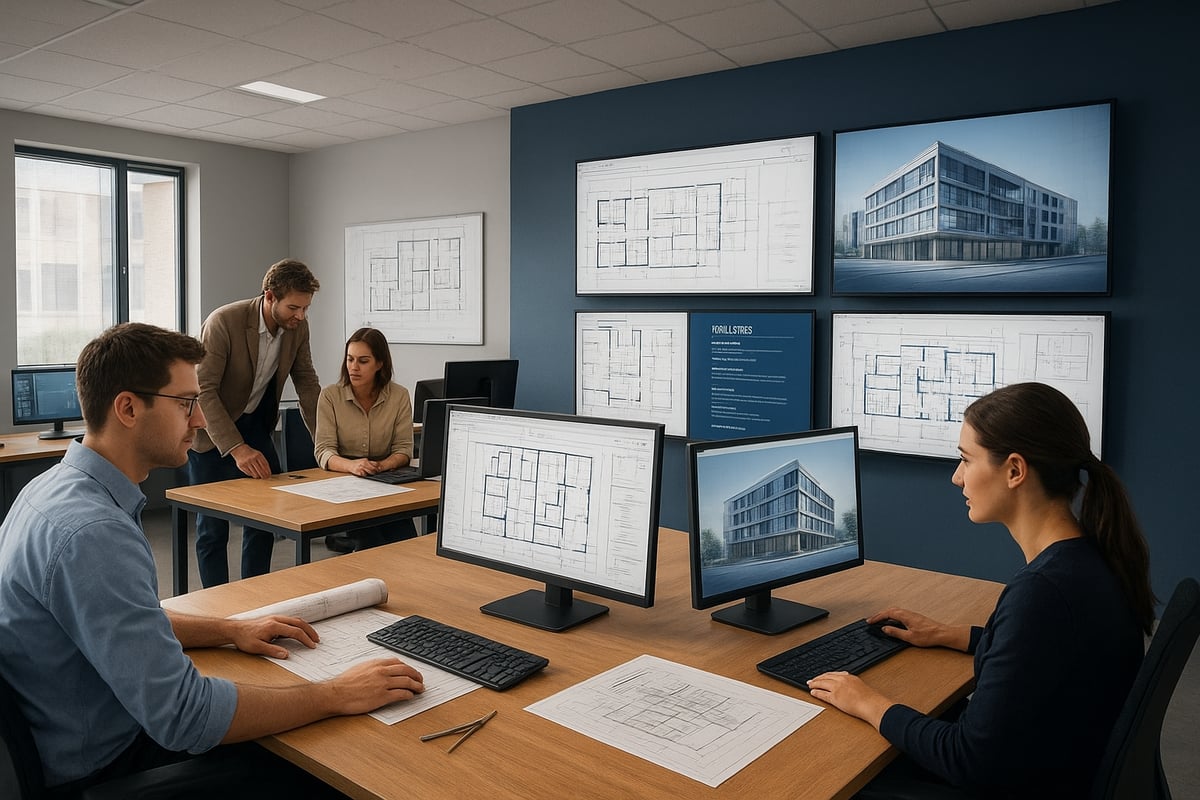
The Australian market is currently advertising nearly 1,000 positions for architectural draftsman roles across SEEK. Employers are seeking skilled individuals to contribute to projects in residential, commercial, government, and industrial sectors.
This demand reflects the expanding scope of the profession. Draftsmen are now vital in delivering complex developments, from home renovations to large-scale multi-unit projects. The diversity of available opportunities means there is a place for every architectural draftsman, regardless of their specialisation.
Salary Expectations and Progression
Salaries for an architectural draftsman in Australia typically range from $70,000 to $110,000+, depending on experience, location, and area of specialisation.
Career progression is a key attraction, with pathways leading to senior drafter, building designer, or project leader roles. Those who continually refine their skills and keep up with industry trends are well-positioned for advancement and increased earning potential.
A strong track record and portfolio can open doors to leadership positions, especially in firms that value innovation and technical excellence.
Remote, Hybrid, and Flexible Work Arrangements
The shift to digital workflows has made flexible work increasingly accessible for the architectural draftsman. Many employers in major cities now offer remote or hybrid arrangements, supported by advanced collaboration tools.
This flexibility allows professionals to balance work and personal commitments while remaining productive. It also enables firms to attract talent from a broader geographic pool, including regional areas.
With the right digital skills, architectural draftsman professionals can thrive in both on-site and remote environments.
Skill Shortages and Employer Expectations
Employers consistently report shortages of skilled architectural draftsman candidates who possess up-to-date technical expertise and regulatory knowledge.
The most sought-after professionals are those who can adapt to evolving technologies and industry trends. According to the Seven megatrends in Australian architecture, adaptability and continuous learning are critical for ongoing success.
Candidates who demonstrate proficiency in BIM, compliance, and sustainable design are especially valued by firms navigating the future of construction and design.
Regional and Urban Opportunities
Opportunities for the architectural draftsman are not limited to capital cities like Melbourne, Sydney, Brisbane, and Perth. Regional centres, such as Geraldton, are also advertising roles, with employers seeking local expertise and an understanding of council requirements.
This regional demand creates pathways for professionals to build rewarding careers outside metropolitan hubs. Whether in urban or regional settings, a diverse skill set and local knowledge increase employability and long-term career satisfaction.
How to Develop and Showcase These Skills
To stand out as an architectural draftsman in 2026, focusing on both technical and soft skill development is crucial. Employers seek professionals who can demonstrate expertise, adaptability, and a commitment to growth. Here are practical ways to build and showcase the skills that matter most.
Pursue Accredited Education and Certifications
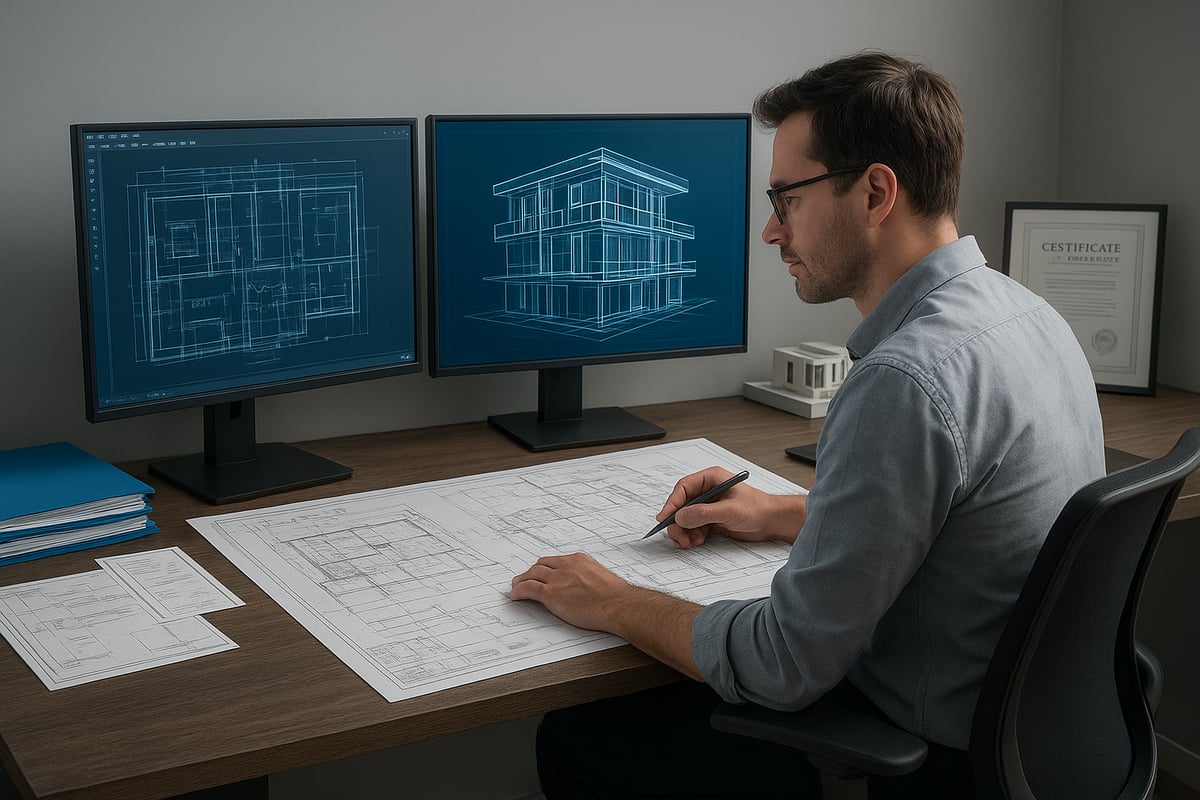
Completing formal qualifications is the foundation for any architectural draftsman. Consider enrolling in courses like the Certificate IV in Residential Drafting to gain up-to-date technical knowledge and industry-relevant skills. Certifications in software such as Revit or ArchiCAD can further boost your employability.Build a Strong Portfolio
A diverse, well-organised portfolio is essential for an architectural draftsman looking to impress employers. Include examples from a range of projects, such as extensions, renovations, and multi-unit developments. Demonstrate your understanding of the drafting process overview by showcasing compliant, detailed, and innovative work.Network and Join Professional Associations
Engage with industry bodies such as BDAA, Design Matters, or VBA. Attend workshops, seminars, and networking events to stay connected and learn from peers. Active participation shows commitment and keeps the architectural draftsman informed about current trends.Seek Mentorship and Constructive Feedback
Learning from experienced draftsmen and building designers helps to refine both technical and soft skills. Regularly request feedback on your drawings and communication, and be open to new perspectives. This approach builds confidence and sharpens your abilities.Embrace Continuous Learning
The architectural draftsman profession evolves rapidly with new technologies and regulations. Stay proactive by enrolling in short courses, participating in webinars, and reading industry publications. Continuous professional development ensures you remain a valuable asset in any team.
By taking these steps, you will not only develop the skills needed for success but also position yourself as a future-ready architectural draftsman.
Resources and Tools for Architectural Draftsmen in 2026
To excel as an architectural draftsman in 2026, having the right resources is essential for tackling diverse and complex projects. Staying equipped with the latest digital tools and industry connections will set you apart.
Essential software and platforms:
- Revit
- ArchiCAD
- AutoCAD
- SketchUp
- BIM 360
For industry opportunities and updates, regularly check websites like SEEK, BDAA, VBA, and Design Matters. Upskilling is made easier through LinkedIn Learning and TAFE short courses, ensuring your expertise stays sharp.
Joining professional forums and online communities helps you exchange knowledge and stay ahead of industry trends. If you are working on multi-unit development drafting, these resources become even more critical for multidisciplinary collaboration.
Remaining connected to news and advancements will keep any architectural draftsman ready for the challenges of the future.
As you look to strengthen your drafting career for 2026 and beyond, mastering these essential skills is your key to standing out in a rapidly changing industry. Whether you’re aiming to refine your technical expertise, stay ahead of compliance requirements, or simply want to deliver exceptional results for your clients, it all starts with the right guidance and support. If you’re ready to bring your vision to life with a team that values professionalism, clear communication, and tailored solutions, I invite you to Begin Your Project with us today.