

The construction and renovation landscape is evolving rapidly, making the choice of a drafting service more critical than ever for your project's success in 2026.
Quick answer: This guide provides comprehensive insights into selecting and utilising drafting services for building and renovation projects in 2026. It covers the evolving role of drafting, from traditional methods to modern CAD and BIM technologies, explaining how these services translate visions into precise, build-ready plans and detailing key service types for informed decision-making.
In this guide, you'll gain clear, practical insights into every aspect of the drafting service process. We will demystify the basics, outline each step, and share expert advice to help you select the right provider with confidence.
Explore how drafting has transformed, discover key service types, learn about the latest technologies, and get equipped to make informed decisions for your next project.
Understanding Drafting Services in 2026
A drafting service is the backbone of any successful building or renovation project. In 2026, these services play a pivotal role by turning ideas into precise, build-ready plans. Whether you are planning a new home, commercial space, or industrial facility, a reliable drafting service ensures your vision is translated into clear technical drawings that builders and contractors can follow with confidence.
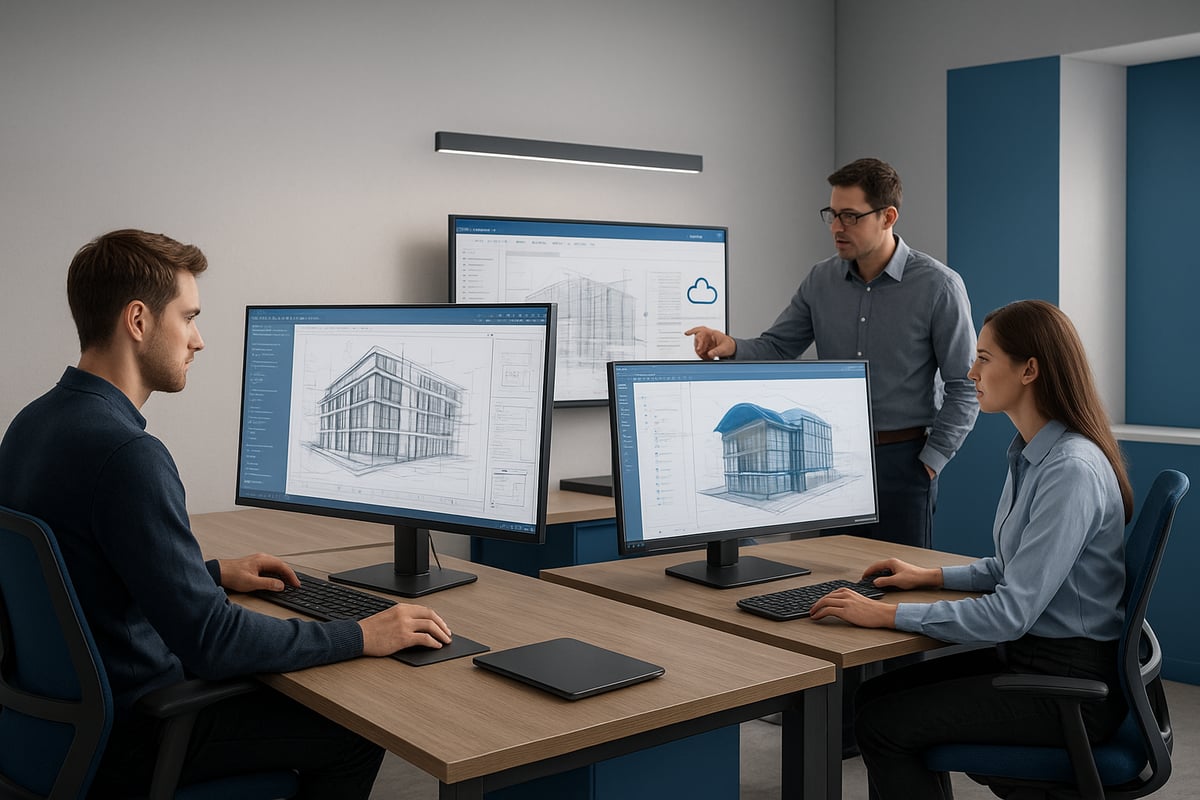
Drafting has evolved dramatically over recent decades. What began as hand-drawn blueprints using pencils and rulers has now shifted to advanced digital methods. Today, most drafting service providers use Computer-Aided Design (CAD) and Building Information Modelling (BIM) to create highly detailed, interactive plans. This transition has streamlined workflows, enhanced collaboration, and improved project accuracy.
The landscape of drafting service offerings is broad. Here is a snapshot of the main types:
| Type | Typical Projects | Key Features |
|---|---|---|
| Architectural | Homes, offices, public buildings | Focuses on design intent and aesthetics |
| Residential | Extensions, renovations, new homes | Tailored for homeowners and small builders |
| Commercial | Retail, offices, hospitality | Addresses large-scale, regulatory needs |
| Industrial | Factories, warehouses, plants | Emphasises workflow and safety |
| Civil | Roads, drainage, infrastructure | Integrates engineering considerations |
A common question is how a drafting service differs from architectural design. While an architect focuses on creative concepts and holistic design, a drafting service specialises in turning those ideas into detailed technical drawings. Drafting professionals ensure every measurement, material, and compliance requirement is captured accurately.
Compliance is critical in Australia, and a professional drafting service will always prioritise adherence to the National Construction Code and relevant local council regulations. This minimises approval delays and costly rework. With digital advances, modern providers can now use cloud platforms for real-time collaboration, 3D modelling for immersive visualisation, and virtual walkthroughs to spot potential issues before construction begins. For an in-depth look at how these technologies are transforming the industry, read the Digital Transformation in Australian Construction report.
Recent industry studies highlight the value of digital drafting. Projects utilising advanced drafting service technology have seen up to 30% fewer errors compared to traditional methods. This reduction in mistakes translates directly into cost savings and faster project delivery.
There are still misconceptions about what a drafting service does. Some believe drafting is just simple line work or that it can replace architectural design entirely. In reality, drafting is a highly skilled discipline that demands technical expertise, up-to-date knowledge of regulations, and a collaborative mindset. For example, a well-executed drafting service can identify clashes between structural elements and services early, saving thousands in potential rework.
In summary, understanding the scope and capabilities of a modern drafting service is essential for anyone embarking on a construction or renovation project. With the right provider, you will benefit from cutting-edge technology, regulatory expertise, and a streamlined path from concept to construction.
The Drafting Process: Step-by-Step Guide
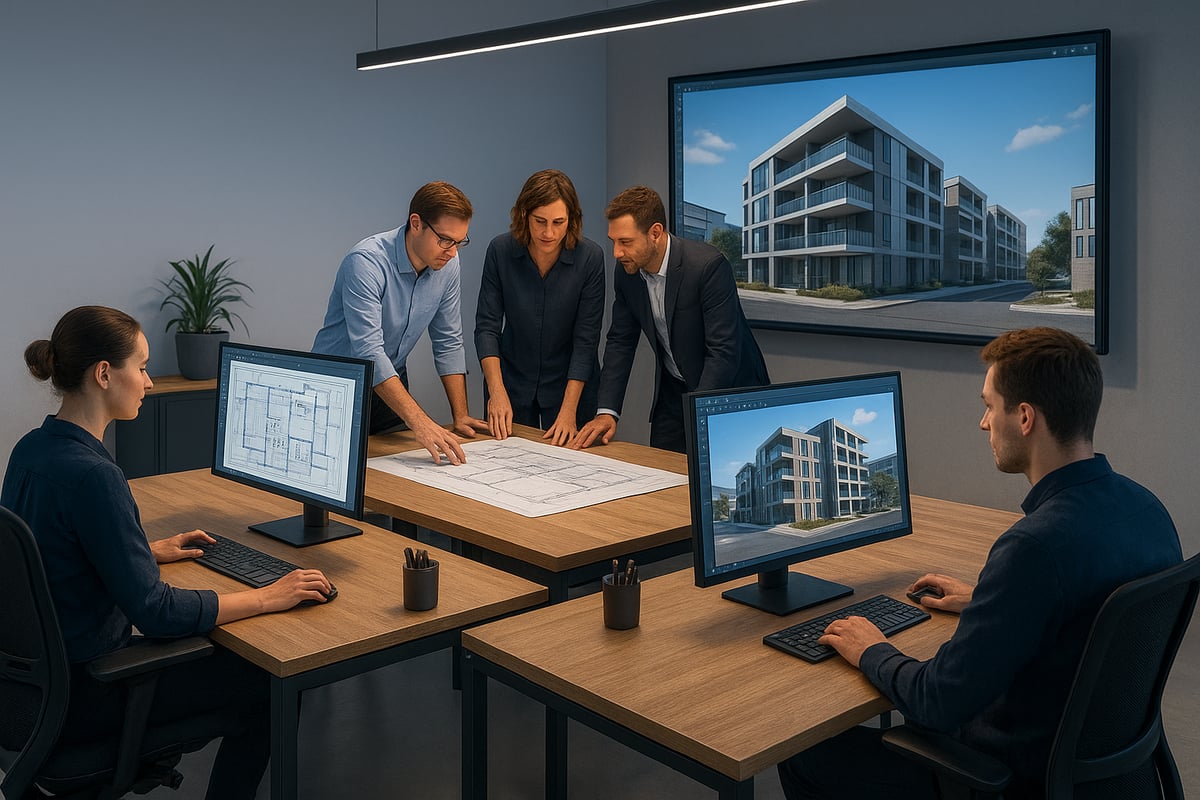
Navigating the drafting service process in 2026 requires a clear understanding of each critical stage. Whether you are building a new home or renovating an existing space, following a structured approach ensures your project starts and finishes smoothly. Let us walk through the six essential steps that define a modern drafting service, highlighting best practices and emerging technology.
Step 1: Initial Consultation & Needs Assessment
The drafting service begins with an initial consultation to gather your precise requirements and project vision. This meeting is crucial for setting expectations and understanding what you hope to achieve.
During this phase, your drafter will ask about your budget, timeline, and any specific design preferences. Clear communication here is vital. A well-structured brief helps prevent misunderstandings and costly revisions later. For example, a homeowner who provided detailed sketches and a wish list at this stage avoided multiple rounds of changes down the line.
If you want a deeper look at how this stage is managed, see the Drafting process explained for a step-by-step breakdown. Choosing a drafting service that prioritises your input from the outset will set your project up for success.
Step 2: Site Analysis & Data Collection
Once the initial brief is complete, the drafting service moves to site analysis. This involves visiting the property, taking precise measurements, and assessing existing site conditions.
Modern tools such as drones and laser scanners are now standard for accurate data collection in 2026. Geographic information and property overlays are integrated into the digital workspace, reducing time and errors. By gathering detailed site information, the drafting service ensures the proposed design will fit perfectly with the landscape and comply with all local regulations.
This thorough approach also helps identify any challenges early, such as uneven terrain or access issues, allowing for proactive solutions.
Step 3: Concept Design & Preliminary Drawings
With data in hand, the drafting service translates your ideas into conceptual designs. Initial sketches and digital models are created, allowing you to visualise the project before any construction begins.
Collaboration is central at this stage. Using cloud-based software, clients and drafters can review and comment on evolving designs in real time. This iterative feedback loop ensures your vision is accurately captured. For example, a client wanting a home office addition was able to see several layout options and select the one that maximised sunlight and privacy.
The drafting service uses these preliminary drawings to refine the design and set the direction for detailed documentation.
Step 4: Detailed Drafting & Documentation
After the concept is agreed upon, the drafting service focuses on detailed technical drawings. These include plans, elevations, sections, and specifications required for construction and council submission.
Building Information Modelling (BIM) is now widely adopted, enhancing accuracy and reducing errors. Every detail, from window placement to structural elements, is meticulously documented. Compliance with Australian Standards and local council codes is verified at this stage.
A comprehensive drafting service will ensure all documentation is clear and complete, making it easier for builders and authorities to interpret and approve.
Step 5: Review, Approval & Amendments
Draft documents are then presented to you and key stakeholders for review. The drafting service encourages feedback to address any concerns or desired changes before finalising the plans.
Common amendment requests include adjusting room sizes, repositioning doors, or updating materials. Efficient drafting services manage these changes swiftly, maintaining project momentum. For instance, a commercial client requested extra accessibility features, which were promptly incorporated without delaying the project timeline.
Open communication during this review phase is essential, ensuring the finished plans truly reflect your needs.
Step 6: Submission for Permits & Final Delivery
The final stage of the drafting service involves preparing and submitting all necessary documentation for council or building authority approval. This includes application forms, compliance statements, and technical drawings.
Your drafter will navigate permit queries and make any required adjustments to satisfy local regulations. Once approved, the drafting service delivers build-ready plans to you and your contractor, ensuring construction can commence without delay.
A reliable drafting service will support you through this process, keeping you informed and handling administrative hurdles efficiently.
Choosing the Right Drafting Service Provider
Selecting the right drafting service is a pivotal step in ensuring your project’s success. With a growing number of providers and evolving technologies, discerning quality and reliability can feel overwhelming. By following a structured approach, you can confidently choose a drafting service that aligns with your vision, budget, and compliance needs.

What to Look For in a Drafting Service
When evaluating a drafting service, prioritise professional qualifications and up-to-date certifications. Ensure the provider holds relevant industry accreditations, such as VBA registration, RBP status, or membership with the BDAA.
Experience matters, especially with projects similar to yours. A reputable drafting service should showcase a portfolio that demonstrates their expertise across various project types, from residential to commercial.
Review their previous work for design quality, attention to detail, and successful council approvals. These factors signal a drafting service’s ability to meet both creative and regulatory requirements.
Questions to Ask Before Hiring
Before engaging a drafting service, prepare a list of targeted questions. Ask about their process, typical timelines, and how they communicate project updates.
Clarify their fee structures. Some operate on a fixed price basis, while others use hourly rates. Understanding how costs are calculated protects you from surprises.
Inquire about their experience with local council requirements, and request examples of projects similar to yours. This ensures your drafting service is equipped to handle your specific needs.
Comparing Drafting Services vs. Architects
It’s important to distinguish between a drafting service and an architect. Drafting services focus on technical plans and compliance, offering a cost-effective solution for straightforward projects. Architects, meanwhile, provide broader design input and project management, which may not be necessary for all builds.
For many residential projects, a drafting service can deliver up to 40 percent cost savings compared to hiring an architect, without compromising on quality or compliance. Assess your project’s complexity to determine the best fit for your needs.
The Importance of Communication and Transparency
Open communication is the backbone of a successful drafting service partnership. Misunderstandings can lead to costly delays and rework. Choose a provider that values transparent dialogue and sets clear expectations from the outset.
A recent industry report highlighted that poor communication can significantly impact project timelines and budgets. For further insights, see this resource on the Impact of Poor Communication on Construction Projects, which details how miscommunication can derail even well-planned drafting service engagements.
TJR Projects: Professional Drafting Services in Melbourne
TJR Projects stands out as a leading drafting service provider in Melbourne. With over 12 years of experience and more than 250 completed projects, their team delivers tailored solutions for both residential and commercial clients.
They prioritise compliance, transparent communication, and offer end-to-end support. TJR Projects provides obligation-free consultations, a meticulous approach to documentation, and holds respected industry accreditations. This commitment ensures your drafting service experience is smooth and reliable.
Red Flags and Common Pitfalls to Avoid
Be vigilant for warning signs when selecting a drafting service. Lack of credentials, unclear pricing, and negative client reviews are all red flags.
Avoid providers who are hesitant to share references or examples of past work. Common pitfalls include vague contracts, missed deadlines, or non-compliance with local regulations. Taking the time to verify a drafting service’s credibility can prevent costly setbacks.
Client Testimonials and Case Studies
Client feedback is invaluable when choosing a drafting service. Testimonials and case studies reveal how a provider performs under real-world conditions, highlighting their reliability and problem-solving skills.
Look for examples where a drafting service delivered on time, overcame site challenges, or navigated complex council requirements. These success stories give you confidence in your final decision.
Drafting for Different Project Types
Selecting the right drafting service for your project type is crucial to achieving a successful outcome. Different projects require tailored approaches, technical expertise, and a deep understanding of compliance requirements. Whether you are planning a home extension, a multi-unit development, or a complex industrial facility, engaging a qualified drafting service ensures your plans are accurate, compliant, and ready for construction.

Residential Drafting: Extensions, Renovations, and New Homes
Residential projects demand a drafting service that understands local council requirements, heritage overlays, and the nuances of home design. Detailed plans are essential for extensions, renovations, and new builds, ensuring compliance and maximising liveability. An experienced team can help navigate restrictions, deliver creative solutions, and streamline the permit process.
For example, a recent renovation in Melbourne’s eastern suburbs involved a complex sloping site and strict heritage controls. The drafting service delivered precise plans, coordinated with council, and achieved approval without costly delays. If you are considering a home extension or renovation, explore how a drafting service for extensions and renovations can simplify your project.
Multi-Unit and Commercial Developments
Developments involving multiple dwellings or commercial spaces bring additional challenges. A drafting service must address fire safety, accessibility, and zoning laws, all while managing tight timelines and stakeholder expectations. Accurate documentation is vital for securing approvals and attracting investors.
For instance, a drafting service working on a multi-unit project in a Melbourne growth corridor delivered clear, compliant plans that met all local regulations. This streamlined the permit process and helped the builder avoid unexpected costs. Choosing a provider with proven experience in multi-unit and commercial drafting is essential for project success.
Industrial and Specialised Drafting
Industrial facilities, such as factories and warehouses, require a drafting service that can integrate workflow, safety, and operational needs into the design. Advanced 3D modelling is often used to visualise plant layouts, identify potential bottlenecks, and ensure compliance with workplace safety standards.
A recent example involved a new warehouse in Melbourne’s west, where the drafting service used digital modelling to optimise loading areas and emergency exits. This proactive approach reduced construction errors and improved overall efficiency, saving both time and resources.
Compliance and Permit-Ready Documentation
Permit-ready documentation is a core deliverable of any professional drafting service. Detailed drawings must meet local and state regulations to secure timely approval from councils or building authorities. This includes site plans, floor plans, elevations, and technical details.
A reputable drafting service will stay up to date with the latest codes, ensuring each submission is accurate and complete. This diligence reduces the risk of costly revisions and delays, giving you peace of mind throughout the approval process.
Collaboration with Other Professionals
A successful project relies on seamless collaboration between your drafting service, engineers, surveyors, and builders. By coordinating efforts, all parties can address design challenges early and avoid costly miscommunication.
For example, a recent townhouse development benefited from regular meetings between the drafting service and structural engineer. This ensured all technical requirements were addressed before construction began, minimising delays and keeping the project on track.
Red Line Plans and As-Built Drawings
Red line plans and as-built drawings are essential for compliance at project completion. A drafting service prepares these documents to reflect any changes made during construction, ensuring the final build matches regulatory requirements. As-built documentation is often required for occupancy permits and future renovations.
Technology Trends Shaping Drafting Services in 2026
The drafting service landscape is evolving rapidly in 2026, with technology driving new standards of efficiency, accuracy, and client experience. For anyone planning a building or renovation project, understanding these advancements is essential to making informed choices.
Building Information Modelling (BIM) and 3D Visualisation
BIM has become a cornerstone in the drafting service industry, transforming how plans are created, shared, and revised. With over 75% of firms adopting BIM as standard, teams now produce highly detailed, data-rich models that improve coordination and reduce costly mistakes.
Clients benefit from immersive 3D visualisations and virtual walkthroughs, making it easy to spot design issues before construction begins. According to the BIM Adoption and Economic Impact in Australia report, BIM not only enhances project outcomes but also delivers substantial economic benefits, streamlining workflows and compliance.
Cloud Collaboration and Remote Workflows
Cloud-based platforms have revolutionised the drafting service process by enabling real-time updates and seamless teamwork, regardless of location. Project stakeholders can review, comment, and approve plans online, reducing turnaround times and keeping everyone aligned.
This digital shift has also made remote consultations and online approvals the norm, offering flexibility for both clients and professionals. Secure cloud storage ensures that project files remain accessible and protected, even as teams grow more distributed.
Table: Key Technology Trends and Benefits
| Trend | Benefit to Drafting Service Clients |
|---|---|
| BIM and 3D Modelling | Fewer errors, better visualisation, faster approvals |
| Virtual Reality Walkthroughs | Enhanced client understanding, early issue detection |
| Cloud Collaboration | Real-time updates, remote teamwork, faster feedback |
| Automation & AI | Less manual error, faster revisions, cost savings |
| Sustainability Tech | Greener designs, energy efficiency, regulatory compliance |
Automation, AI, and Smart Tools
Automation and artificial intelligence are reshaping the drafting service workflow. AI-powered tools now handle repetitive drafting tasks, identify design conflicts, and even suggest improvements based on building codes. This innovation can cut drafting time by up to 20%, freeing up experts to focus on creative and strategic aspects.
Businesses are adapting rapidly, integrating AI to stay competitive and deliver value. The insights from AI Integration in Architecture Businesses highlight how automation boosts productivity and minimises human error in drafting service delivery.
Sustainability and Cybersecurity in Drafting Service
Sustainability is now front and centre in every drafting service. Modern software incorporates energy modelling and green building practices from the outset, helping meet Australia's increasing demand for eco-friendly construction.
As more project data moves online, cybersecurity has become critical. Protecting digital building models and sensitive client information is non-negotiable in today's drafting service environment. Firms invest in robust security protocols to maintain client trust and regulatory compliance.
The Future: Remote Consultations and Digital Approvals
Looking ahead, the drafting service industry will see even greater integration of remote consultations, real-time digital approvals, and AI-driven design optimisation. These trends will further streamline workflows and empower clients to engage with their project at every stage.
Staying up to date with these technology trends ensures that your drafting service delivers the precision, speed, and sustainability required for successful projects in 2026.
Cost, Value, and ROI of Drafting Services
Understanding the true cost and value of a drafting service is essential for planning any building project in 2026. With the right partner, you gain far more than drawings—you secure peace of mind, compliance, and long-term savings. Let us break down what you should expect and how to maximise your investment.
Typical Fee Structures for Drafting Service
Drafting service providers in Australia offer several pricing models. The most common structures are:
| Fee Structure | Description | Typical Use Cases |
|---|---|---|
| Hourly Rate | Charged per hour for work completed | Small changes, consultations |
| Fixed Project Fee | One price for the entire project | Most residential projects |
| Percentage of Build Cost | A set percentage of the total construction | Large, complex builds |
Understanding which model fits your needs can help you budget with confidence. Always request a detailed quote that outlines inclusions and exclusions to avoid surprises.
Factors Influencing the Cost of Drafting Service
The price of a drafting service is shaped by several key factors. Project complexity is the biggest driver—multi-level homes, commercial spaces, and industrial sites require more time and expertise. Site conditions, such as sloping blocks or tight urban lots, can also add to the cost.
Compliance is another significant factor. Ensuring your plans meet all local council and state regulations might require additional work, particularly if overlays or special zones apply. Using a provider familiar with compliance and red line plans and compliance can streamline approvals and reduce costly revisions.
Value Comparison: Drafting Service vs. Architectural Services
Choosing a drafting service can provide excellent value, especially for straightforward builds. Here is a quick comparison:
| Aspect | Drafting Service | Architectural Services |
|---|---|---|
| Cost | Lower (up to 40% savings) | Higher |
| Scope | Technical plans, compliance | Full design, project vision |
| Best For | Residential, small commercial | Complex, bespoke projects |
For many homeowners, a quality drafting service delivers all the essentials for permit-ready plans at a fraction of the cost. This approach is ideal when design requirements are well-defined and the focus is on efficiency.
Cost-Saving Examples and Budgeting Tips
Precise documentation is key to avoiding construction delays. In one recent case, a homeowner saved over $15,000 by investing in a thorough drafting service. Early detection of site challenges and clear plans meant the builder could proceed without mid-project changes.
To get the most value, always:
- Compare quotes from multiple providers
- Ask for breakdowns of all fees
- Clarify what is included (site visits, amendments, compliance checks)
Setting aside a small contingency fund can also help you manage unexpected costs.
Long-Term ROI and Industry Statistics
Investing in a professional drafting service pays dividends throughout your project. Accurate plans reduce construction errors, speed up approvals, and limit costly changes. According to industry reports, homeowners who use professional drafting service providers experience up to 25% fewer construction changes.
In the long run, this means less stress, faster completion, and more predictable costs. Careful planning and compliance-focused documentation not only protect your investment but also contribute to the overall success of your build.
After exploring the key steps of the drafting process and understanding how the right expertise can make all the difference, you’re now equipped to approach your next building or renovation project with confidence. Working with a team that truly listens to your needs and communicates every step clearly can help you avoid costly setbacks and achieve results that match your vision. If you’re ready to take that first step towards a seamless, personalised experience, I invite you to Request an Initial Consultation with TJR Projects and see how your ideas can come to life.