
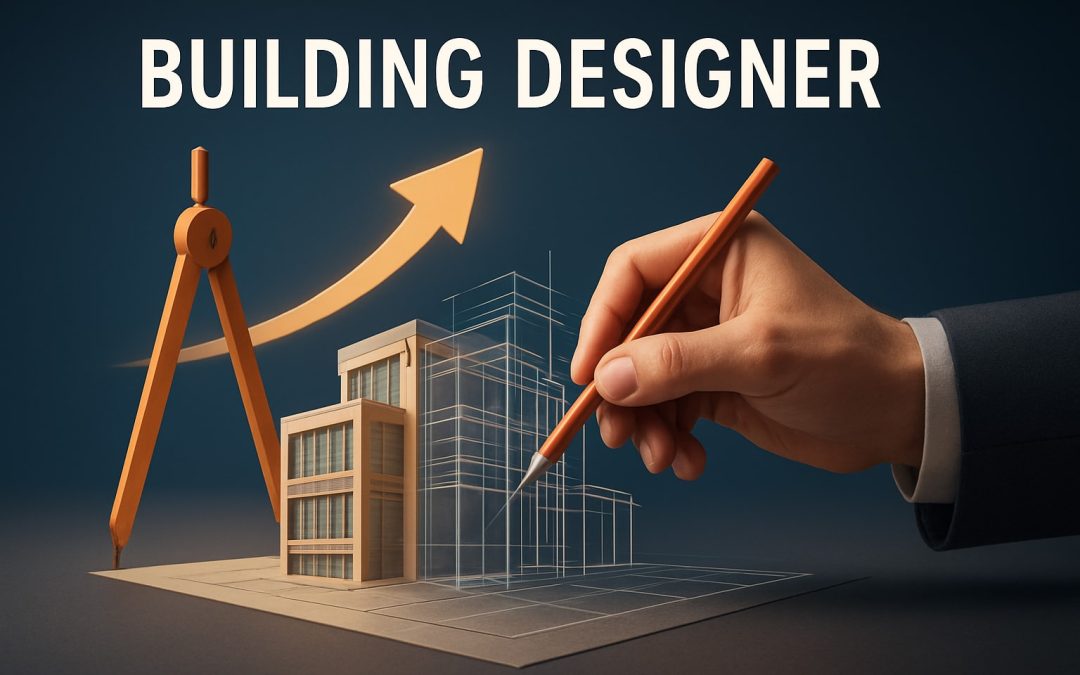
Australia’s construction sector is experiencing a surge in demand for skilled professionals, making now a pivotal time to consider a career as a building designer. With a projected 20.5% job growth and an average salary of $85,000, this field offers both stability and creative opportunity.
Quick answer: To succeed as a building designer in 2026, individuals should understand the evolving job roles, essential education requirements, and current industry trends. The Australian construction sector projects 20.5% job growth for building designers, offering a stable career path with an average salary of $85,000. This involves blending creativity with technical expertise, from client consultation and concept development to site supervision.
This guide will show you every step needed to thrive as a building designer in 2026. You will learn about evolving job roles, essential education, industry trends, and practical pathways for career advancement.
Curious about turning your passion for design into a rewarding profession? Explore this step-by-step guide to unlock your potential and launch a successful journey as a building designer.
The Evolving Role of a Building Designer in Australia
Australia’s construction landscape is rapidly changing, and the building designer now plays a central role in shaping the built environment. As the profession evolves, understanding what a building designer does, how industry trends are shifting, and what career opportunities exist is essential for anyone considering this dynamic field.
What Does a Building Designer Do?
A building designer’s daily responsibilities blend creativity with technical expertise. They consult with clients to understand needs and vision, develop detailed design concepts, and conduct feasibility studies to ensure projects are practical. Building designers often supervise sites, bridging the gap between concept and construction.
Unlike architects, who may focus on large-scale or iconic builds, or draftspersons, who primarily produce technical documentation, a building designer manages the design journey from initial sketches to final plans. Projects range from family homes and shopping centres to schools and heritage restorations.
Specialisation is common, with some building designers focusing on residential renovations, others on commercial or industrial spaces. The role demands proficiency in project management, contract administration, and client communication, as highlighted by SEEK. Work settings are flexible, including offices, building sites, and remote collaboration.
Industry Trends for 2026
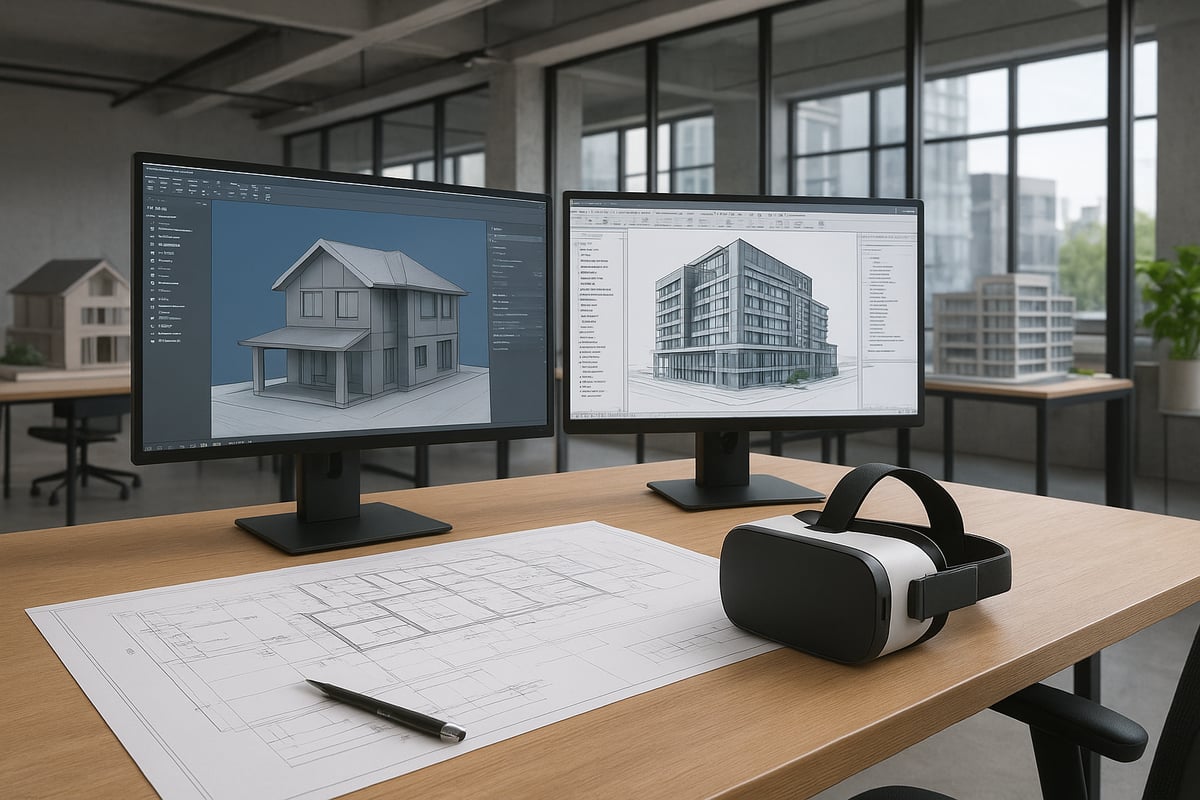
The next few years will see sustainability and technology shape the future for every building designer. Demand for energy-efficient, environmentally conscious designs is surging, while digital tools like BIM, 3D modelling, and virtual reality are becoming industry standards.
Multi-unit and urban development projects are on the rise, requiring adaptable design skills and a solid grasp of compliance with the updated National Construction Code (NCC 2022/2025). According to SEEK, job growth is projected at 20.5% over five years. Staying informed on trends such as the multi-unit development design process can set professionals apart.
Building designers need to respond quickly to changing client needs, integrating new materials and methods as they emerge.
Career Pathways and Specialisations
A building designer’s career typically starts in entry-level drafting or junior design roles. From there, progression can lead to positions such as documentation specialist, senior designer, project manager, or even firm owner.
Specialisations are diverse, including:
- Residential design
- Commercial and industrial projects
- Heritage restoration
Many professionals transition from backgrounds in construction or architecture, bringing valuable experience. For those with entrepreneurial ambitions, consultancy and business ownership are tangible goals. The flexibility of the profession allows for growth into various niches, reflecting personal strengths and market demands.
The Value of Building Designers in Construction
A building designer offers clients a cost-effective alternative to traditional architectural services, especially for small to medium projects. Their expertise is vital in translating visions into constructible, compliant plans.
Collaboration is key, as building designers work closely with engineers, surveyors, and builders to ensure project success. Case studies highlight their role in high-end renovations and multi-unit developments, where their skills bridge client aspirations and technical requirements.
Beyond individual projects, building designers contribute to broader urban planning and community development, shaping the look and functionality of neighbourhoods.
Job Satisfaction and Market Data
Building designers report high job satisfaction, with SEEK ratings averaging 4.2 out of 5. The profession offers competitive salaries, flexibility in work arrangements, and the freedom to select projects that align with personal interests.
Opportunities span every Australian state and territory, with over 3,900 building designer jobs listed on SEEK at any time. This strong demand, combined with the ability to achieve work-life balance, makes the career path attractive for both new entrants and seasoned professionals.
Education and Qualifications: Your Pathway Starts Here
Starting your journey as a building designer in Australia means understanding the qualifications and skills that set you apart. The pathway is structured, yet flexible, giving you room to tailor your learning and experience to your goals. Whether you are just finishing school or changing careers, a clear roadmap will help you thrive in this evolving industry.
Formal Education Pathways
To become a building designer, you will need formal training. The most common entry point is the Diploma of Building Design (CPP50911), available at TAFE and registered training organisations. This course typically runs from 18 months to three years and covers design theory, construction technology, and documentation skills.
A bachelor's degree in architecture, building design, or a related field is another route. These programs usually require Year 12 completion and take about three years full-time. Diplomas enable you to work on most projects except for the highest-risk buildings, while degrees offer broader career options.
| Qualification | Duration | Entry Requirements | Project Scope |
|---|---|---|---|
| Diploma (CPP50911) | 18 months – 3 yrs | Year 12 or equivalent | Most projects except Type A buildings |
| Bachelor’s Degree | 3 years full-time | Year 12 or special admission | Wide, including advanced design roles |
Gaining Practical Experience
Practical experience is crucial for any building designer. Work placements, internships, and entry-level roles such as drafting or construction assistant offer valuable industry exposure. These positions help you build a portfolio and apply theory in real-world situations.
Many successful professionals start as draftspersons or in related fields like engineering or interior design. Transferable skills from these areas are highly valued. Seek out opportunities to work on live projects, as hands-on experience is a key differentiator in the competitive job market.
Essential Skills and Competencies
A building designer needs both technical and creative abilities. Proficiency in technical drawing and CAD software is essential. Knowledge of building codes, standards, and regulations ensures your designs are practical and compliant.
Project management and strong communication skills help you guide clients through the design process. Creativity, problem-solving, and attention to detail are also critical. Employers look for candidates with expertise in design software and documentation, making these competencies central to your success.
Key Skills for Building Designers:
- Technical drawing and CAD proficiency
- Understanding of building codes and standards
- Project management
- Client communication
- Creativity and problem-solving
Industry Accreditation and Registration
Each state in Australia has unique requirements for building designer registration. In Victoria, for example, registration is managed by the VBA. The process involves submitting documentation, paying fees, and maintaining ongoing continuing professional development.
Professional associations such as the BDAA and Design Matters offer support and resources. Achieving Registered Building Practitioner status is a significant milestone. Keeping your credentials up to date ensures you remain compliant as regulations evolve.
Continuous Professional Development (CPD)
Continuous learning is vital for every building designer. Staying updated with amendments to the National Construction Code and industry standards is mandatory. CPD activities include workshops, webinars, and practitioner education series.
Networking at industry events and joining professional associations can open doors to new opportunities and insights. The VBA and other industry bodies regularly offer CPD sessions that enhance employability and maintain your professional reputation.
Popular CPD Activities:
- Attending workshops and webinars
- Completing online courses
- Participating in industry networking events
- Engaging with professional bodies
TJR Projects: Your Partner for Design & Drafting Success
TJR Projects is a trusted resource for aspiring and established building designer professionals in Melbourne. They specialise in residential extensions, renovations, unit developments, and new homes, all tailored to meet client needs and comply with regulations.

Their Residential extensions and renovations service is an excellent opportunity for those seeking hands-on experience or collaboration in real-world projects. With over 250 completed projects, TJR Projects demonstrates professionalism, personalised service, and cost-effective solutions. Free consultations are available for career guidance, project support, and industry knowledge, making them a valuable partner as you launch your building designer career.
Navigating the Legal and Regulatory Landscape
Australia’s legal and regulatory environment can seem complex for any building designer. Mastering this landscape is essential for career success and professional reputation. From understanding codes to maintaining compliance, every step demands attention to detail and ongoing learning.
Understanding Building Codes and Standards
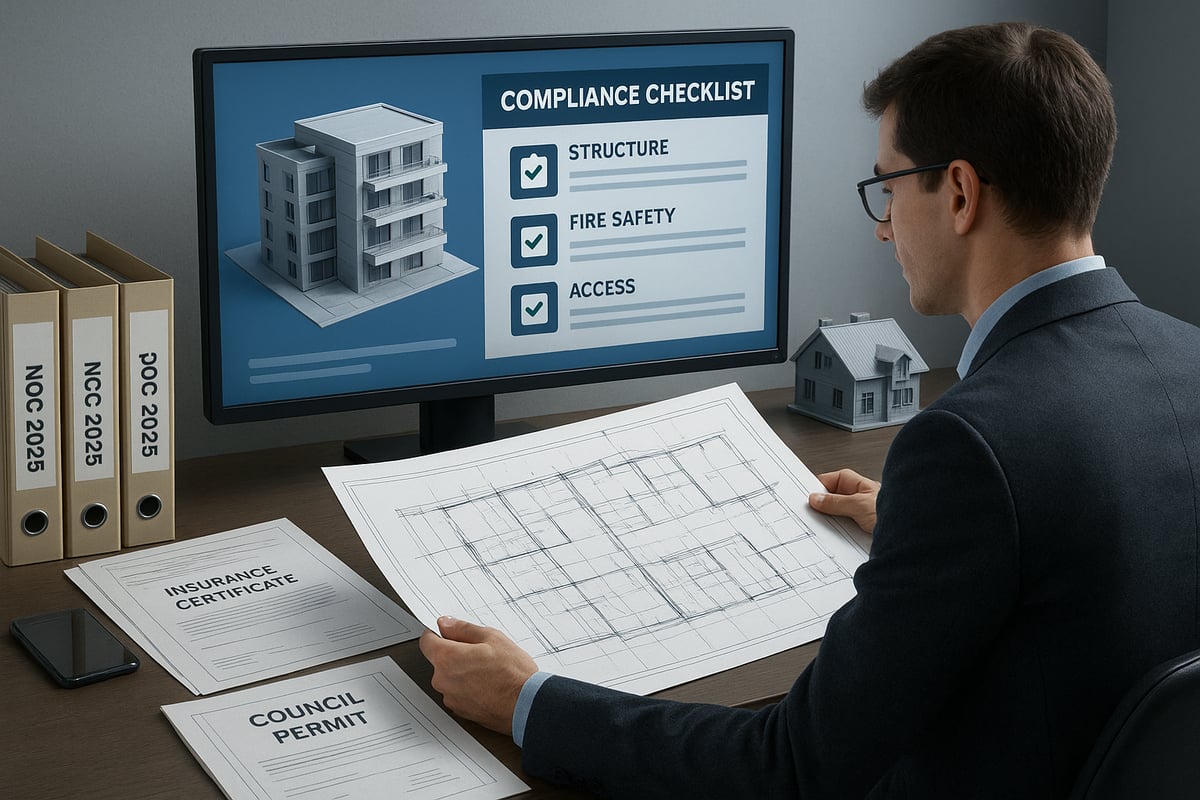
A building designer must navigate a range of codes and standards. The National Construction Code (NCC), Australian Standards, and local council requirements all set the framework for safe, compliant design. Staying current is vital, as the National Construction Code 2025 updates will introduce new expectations for energy efficiency, accessibility, and safety.
Local council codes add further layers, such as specific requirements for water efficiency or accessibility. For example, a building designer must ensure plans address these details before submission. Regularly reviewing legislative changes and industry updates is the best way to avoid compliance issues and deliver quality outcomes.
Registration and Licensing Requirements
Registration is mandatory for a building designer in most Australian states and territories. Each state sets its own criteria, with the Victorian Building Authority (VBA) offering a well-known example. The process requires submitting qualifications, experience records, and proof of insurance.
Annual renewal is essential for maintaining active registration. Practitioners must also keep documentation up to date, including practitioner ID cards and digital credentials. Missing a renewal or failing to provide correct paperwork can result in suspension or loss of the right to practice as a building designer.
Insurance and Professional Indemnity
Professional indemnity insurance protects a building designer against claims of negligence or errors. It is a legal requirement for registration in most jurisdictions. Insurance policies must cover the full scope of services, from design development through contract administration.
Annual insurance checks are standard practice, especially in Victoria, where the VBA audits compliance. Failing to maintain adequate coverage puts both the building designer and clients at risk. Insurance is not just a legal obligation but a safeguard for business reputation and client trust.
Contracts, Permits, and Documentation
Managing contracts, permits, and documentation is a daily task for every building designer. Preparing building permit applications involves assembling detailed plans, specifications, and compliance certificates. Every project requires a clear, legally sound contract to define scope, deliverables, and responsibilities.
Navigating council submissions can be time-consuming. Many building designers use tools like red line plans to highlight changes for permit processes. Accurate documentation is essential, as errors can delay approvals or lead to costly rework.
Compliance, Audits, and Enforcement
Ongoing compliance involves regular inspections, audits, and responding to regulatory authority requests. Councils and the VBA may audit a building designer’s documentation or visit sites to check for compliance. Building Documentation Audit Programs are common, especially for residential projects.
Non-compliance can result in penalties, suspension, or deregistration. Resources such as the Building Resource Hub and practice notes offer guidance on staying compliant. Proactive learning and organised record-keeping help a building designer maintain a strong professional standing.
Essential Skills for Success as a Building Designer
Success as a building designer in Australia relies on a blend of technical, creative, and interpersonal strengths. To thrive in this dynamic industry, you must continually develop your skill set, adapt to new tools, and understand the evolving expectations of clients and the construction sector.
Technical and Digital Proficiency
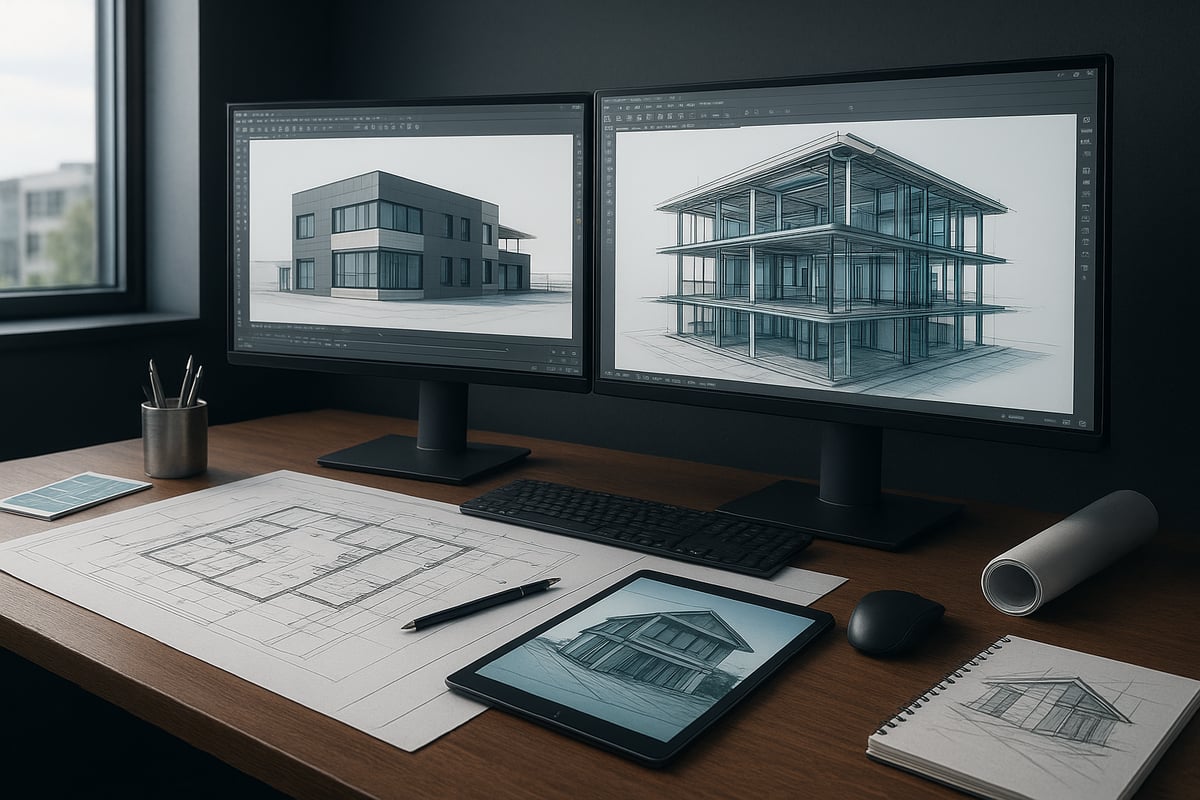
Every building designer must master the latest digital tools. Proficiency in CAD software, BIM platforms, and 3D visualisation is essential for producing accurate, compliant plans. Industry standards like Revit, ArchiCAD, and SketchUp are widely used for drafting and modelling.
Digital documentation and project management platforms streamline workflows, making it easier to track revisions and collaborate with consultants. Staying updated with software releases and best practices ensures you remain competitive. For example, new home building design expertise requires advanced skills in technical documentation and compliance with Australian standards. Employers consistently seek building designer candidates who demonstrate strong digital skills and adaptability.
Creative and Problem-Solving Abilities
A successful building designer transforms client briefs into practical, innovative spaces. Creativity is not just about aesthetics, but also finding solutions that balance function, regulations, and budget. Each site presents unique challenges, from heritage overlays to irregular blocks.
Problem-solving skills are vital for adapting designs to meet both client expectations and strict compliance requirements. Whether working on sustainable homes or complex renovations, a building designer must think outside the box to deliver value. This adaptability keeps projects on track and clients satisfied.
Communication and Client Relations
Strong communication underpins every building designer’s success. Effective client consultations help uncover needs and clarify project goals early. Presenting design concepts in an accessible way—using visuals, sketches, or walkthroughs—builds trust and ensures clarity.
Managing expectations is crucial throughout a project’s lifecycle. Regular updates and transparent discussions prevent misunderstandings and foster long-term relationships. A building designer who excels in client relations is more likely to secure repeat business and referrals.
Project Management and Coordination
Overseeing timelines, budgets, and deliverables is central to the building designer’s role. You must coordinate with engineers, surveyors, builders, and contractors to keep projects running smoothly. Managing multiple jobs at once requires attention to detail and effective task tracking.
Tools such as Gantt charts, cloud-based project platforms, and shared documentation systems help maintain order. A building designer skilled in project management can balance competing demands, ensuring quality and compliance for every job.
Business and Entrepreneurial Skills
Running a successful building designer practice involves much more than design. You must market your services, prepare quotes, and win new clients in a competitive landscape. Understanding cost structures and value propositions allows you to position your expertise effectively.
Networking, industry engagement, and continual upskilling are key to standing out. Whether building a boutique studio or freelancing, a building designer who embraces entrepreneurship is well-placed to adapt to changing market demands and seize new opportunities.
Step-by-Step Guide: Launching Your Building Designer Career in 2026
Embarking on a career as a building designer in 2026 requires a clear, structured approach. The steps below will help you navigate the journey from research to industry success, ensuring you are well prepared for every stage.
Step 1: Research the Profession and Industry
Start by assessing your interests, strengths, and long-term goals. Investigate what a building designer does daily, from client consultations to design development. Review job descriptions and explore specialisations such as residential, commercial, or heritage projects.
Understanding current industry trends is essential. The job market is robust, with over 3,900 building designer roles listed nationally and an average salary of $85,000. According to the Australian job vacancies May 2025, construction sector vacancies have surged, signalling strong demand for building designers.
Reach out to professionals for mentorship and real-world insights. Attend webinars or industry events to expand your knowledge and network.
Step 2: Choose Your Education Pathway
Selecting the right educational path is crucial for aspiring building designers. Compare diploma and degree options based on duration, cost, and career outcomes. Accredited courses such as the Diploma of Building Design (CPP50911) or a relevant bachelor's degree provide recognised qualifications.
Review entry requirements, including Year 12 completion or special admission pathways. Accredited institutions like TAFE, RTOs, and universities offer flexible study modes for different learners.
The ACIF Construction Market Report November 2025 highlights the increasing need for qualified building designers, making formal education a valuable investment.
Plan your study timeline carefully to align with your career objectives and personal commitments.
Step 3: Build Practical Experience and Skills
Hands-on experience is vital for success as a building designer. Seek internships, work placements, or entry-level roles such as draftsperson or assistant designer. These positions help you develop essential skills and expose you to real-world projects.
Begin building a professional portfolio with diverse examples of your work. Proficiency in industry-standard software like CAD and BIM is highly valued.
Participate in workshops, webinars, and industry events to further hone your skills. Practical experience not only builds confidence but also makes you more attractive to employers.
Step 4: Achieve Registration and Accreditation
To work as a building designer, you must meet state-based registration and accreditation requirements. Prepare all necessary documentation, including qualifications, insurance, and proof of practical experience. For example, in Victoria, the process involves applying to the Victorian Building Authority (VBA) and completing assessments.
Join professional associations to access networking opportunities and continuous professional development. Registration ensures you stay compliant with current regulations and industry standards.
Ongoing education is essential for maintaining your credentials and adapting to regulatory changes.
Step 5: Enter the Workforce and Advance Your Career
With your qualifications and registration in place, start applying for building designer roles in your chosen sector. Tailor your resume and cover letter to highlight your skills, portfolio, and industry knowledge.
Prepare thoroughly for interviews by showcasing specific projects and demonstrating your understanding of current market trends. Seek feedback after each application to refine your approach.
Career progression is achievable, with opportunities to advance from junior designer to senior roles or project management positions.
Step 6: Upskill, Network, and Stay Ahead
Continued success as a building designer depends on your commitment to learning and professional growth. Pursue advanced training in areas like sustainable design, BIM, or project management to expand your expertise.
Engage with peers at industry events and through online platforms to build your network. Stay informed about changes in regulations, such as updates to the National Construction Code, and adapt your practice accordingly.
Consider specialisations or launching your own practice as your experience grows. Ongoing development keeps you competitive in a rapidly evolving industry.
Building Designer Career Outlook and Opportunities in 2026
Australia’s construction industry is rapidly evolving, and the outlook for a building designer remains highly positive as 2026 approaches. Professionals in this field are uniquely positioned to benefit from robust demand, technological innovation, and a growing emphasis on sustainability. This section explores career prospects, salary trends, sector opportunities, pathways for advancement, and the resources available to support your journey as a building designer.
Employment Prospects and Salary Trends
The building designer profession is set for continued growth, with SEEK projecting a 20.5% increase in job opportunities over five years. This trend reflects strong demand in both metropolitan and regional markets, driven by ongoing construction activity and a need for skilled design professionals.
Salaries for building designer roles average around $85,000 per year, though actual earnings can vary based on experience, location, and specialisation. Entry-level positions offer a competitive starting point, while those with advanced skills and credentials can command higher salaries. Full-time and part-time roles are widely available, providing flexibility for different career goals.
Factors influencing salary include:
- Level of experience and portfolio quality
- Type of projects undertaken (residential, commercial, heritage)
- Geographic location and demand in specific regions
With a healthy job market and attractive remuneration, the building designer pathway is an appealing choice for creative and technical professionals.
Industry Demand and Skill Shortages
Australia is experiencing a shortage of qualified building designer professionals due to a construction boom and increased focus on compliance. This shortage is creating significant opportunities for those entering the field, as employers actively seek candidates with practical experience and up-to-date digital skills.
The growing demand extends across various project types, including sustainable, accessible, and compliant design solutions. Employers value building designer applicants who demonstrate proficiency in industry-standard software, such as CAD and BIM platforms, and who can contribute to efficient project delivery.
Current market data highlights:
- Over 3,900 building designer roles advertised on SEEK at any given time
- Employers prioritise candidates with real-world project experience
- Career changers and recent graduates are welcomed to fill the talent gap
For those willing to develop their skills and adapt to industry needs, the building designer profession offers both stability and advancement.
Geographic and Sector Opportunities
Opportunities for building designer professionals are plentiful across all Australian states and territories, with especially strong demand in Victoria, New South Wales, Queensland, and Western Australia. Urban centres continue to drive large-scale developments, while regional areas require designers for residential growth and renovation projects.
The building designer skill set is applicable in diverse sectors:
- Residential: new homes, extensions, multi-unit developments
- Commercial: offices, retail, hospitality venues
- Industrial: warehouses, factories, logistics hubs
- Heritage: restoration and adaptive reuse of historic buildings
Whether you aspire to work in a boutique studio or a large multidisciplinary firm, the building designer role offers flexibility in location and project type. Many professionals also choose to establish independent practices or work remotely, catering to a broad client base.
Advancing Your Career: Senior Roles and Entrepreneurship
A building designer career can progress well beyond entry-level roles, offering pathways to senior designer, project manager, or business owner positions. Ambitious professionals often leverage their expertise to teach, consult, or lead within industry associations.
Entrepreneurial building designer professionals frequently establish boutique studios or consultancies, focusing on niche markets such as sustainable design or heritage restoration. Advancement is supported by ongoing learning, professional development, and a commitment to industry best practices.
Key steps for advancement include:
- Building a strong reputation for quality and reliability
- Expanding service offerings to meet changing client needs
- Networking through industry events and professional bodies
With dedication, many building designer practitioners achieve leadership roles and shape the future of the profession.
The Future of Building Design: Technology and Sustainability
Innovation is transforming the building designer landscape. The adoption of digital tools such as BIM, 3D visualisation, and virtual reality is enhancing project collaboration and design accuracy. Sustainability is now a core focus, with clients and regulators demanding energy-efficient, climate-resilient buildings.
Upcoming regulatory changes, including updates to the National Construction Code (NCC 2025), will further influence building designer practices. Staying informed about industry developments, such as those discussed in the UDIA statement on NCC changes, is essential for maintaining compliance and delivering value to clients.
A forward-thinking building designer embraces new technologies, prioritises green solutions, and prepares for ongoing evolution in design standards.
Resources and Support for Aspiring Building Designers
Support for building designer professionals is readily available through industry associations, online resources, and mentorship programs. Organisations such as the Building Designers Association of Australia (BDAA), Design Matters, and the Victorian Building Authority (VBA) provide valuable guidance on compliance, professional development, and networking.
Useful resources include:
- Online forums and webinars for peer support
- Building Resource Hub for practice notes and regulatory updates
- Mentorship programs connecting newcomers with experienced professionals
- Templates, publications, and compliance checklists
By engaging with these resources, a building designer can stay informed, build valuable connections, and navigate the challenges of the profession with confidence.
As you look ahead to launching a successful building designer career in 2026, it’s important to have the right support and guidance at every step. At TJR Projects, we understand the challenges and opportunities you’ll encounter—whether you’re exploring qualifications, building hands-on experience, or navigating industry regulations. Our team brings professionalism, clear communication, and a wealth of experience across Melbourne’s residential and architectural projects. If you’re ready to take the next step or simply want to discuss your ambitions, I invite you to Request an Initial Consultation—let’s turn your vision into a rewarding reality together.