
Australia’s construction and design industries are rapidly evolving, making the role of the draughtsperson more vital than ever. A draughtsperson is a skilled professional responsible for translating ideas into precise technical drawings and plans, a role that has shifted dramatically with the rise of digital technologies.
Quick answer: To succeed as an Australian draughtsperson in 2026, essential skills and career insights are needed due to the construction and design industries’ rapid evolution. This guide covers technical abilities, industry trends, education, salary expectations, and future outlook. The role involves translating ideas into precise technical drawings, a function significantly impacted by digital technologies and evolving industry demands.
This comprehensive guide covers the essential skills, career pathways, and up-to-date insights every draughtsperson needs to succeed in 2026. Explore what it takes to thrive, from must-have technical abilities and industry trends to education options, salary expectations, and the future outlook for those in this dynamic field.
Understanding the Draughtsperson Role
The draughtsperson is a pivotal figure in Australia’s design and construction landscape. Whether working behind the scenes or on the frontlines, this professional shapes the built environment with precision and technical expertise. As the construction sector evolves, understanding what a draughtsperson does, and how the role adapts to new technologies and industry demands, is essential for those considering this career path.
Definition and Evolution of the Draughtsperson
The term draughtsperson first appeared in the 1970s as a gender-neutral alternative to draughtsman or draughtswoman. Its roots lie in the word "draught," referring to drawing or sketching, paired with "person" to reflect inclusivity in the profession. The draughtsperson’s core responsibility is preparing detailed technical drawings and plans that transform design concepts into precise, buildable documents.
A draughtsperson differs from a draftsperson or drafter in terminology, although the roles often overlap in Australia. For a deeper dive into these distinctions, see Drafter vs Draughtsperson Roles. The draughtsperson collaborates closely with architects, engineers, and builders, ensuring that every drawing complies with regulations and meets client specifications.
Key industries employing draughtspersons include:
- Architecture
- Engineering (civil, mechanical, electrical)
- Construction
- Manufacturing
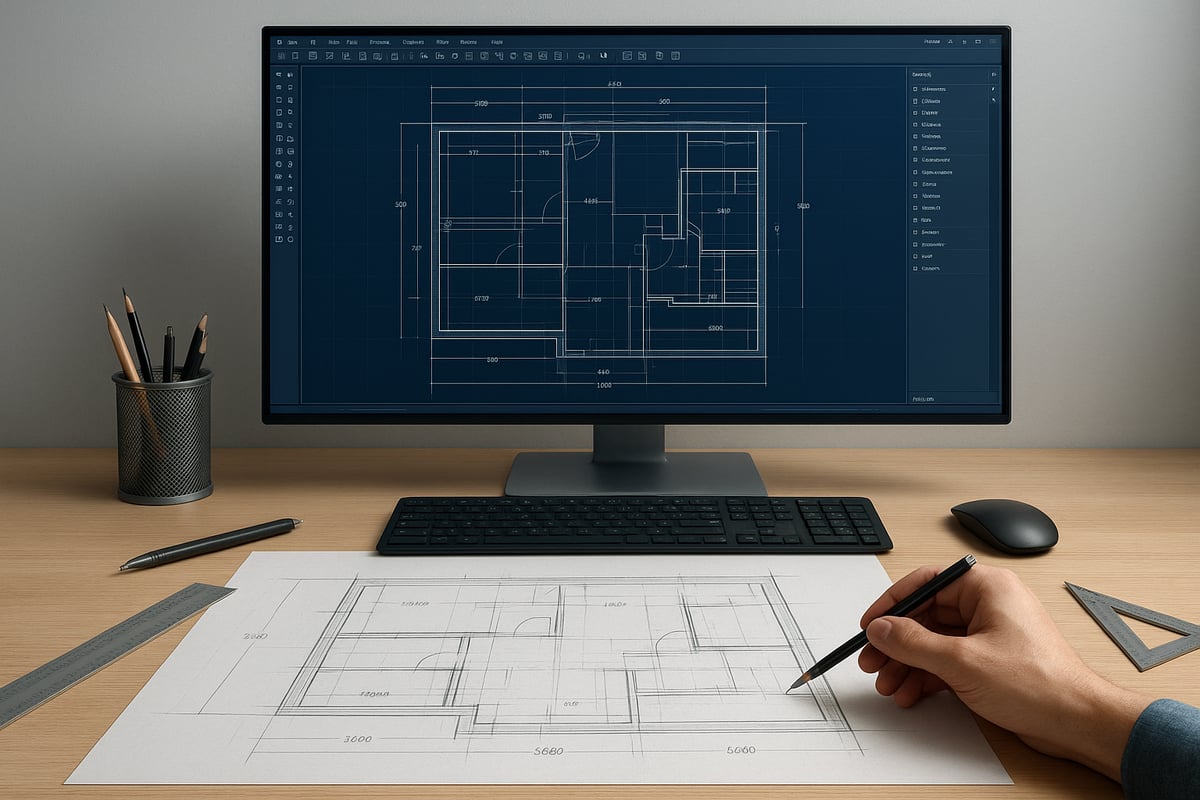
The role has evolved significantly with the introduction of digital tools such as CAD (Computer-Aided Design) and BIM (Building Information Modelling). Today, a draughtsperson is expected to master these systems, enhancing accuracy, efficiency, and collaboration across projects.
Accuracy, compliance, and clear communication are non-negotiable in this role. Mistakes or omissions in technical drawings can lead to costly errors or delays. The transition from traditional hand-drawing to digital drafting has transformed workflows. To illustrate this evolution:
| Feature | Hand-Drawing | Digital Drafting (CAD/BIM) |
|---|---|---|
| Precision | Manual, less repeatable | Highly precise, easily replicated |
| Editing | Time-consuming | Quick, non-destructive |
| Collaboration | Physical copies, slower | Real-time, remote possible |
| Compliance Checking | Manual, error-prone | Automated checks, updates |
The draughtsperson’s journey reflects the broader shift in Australia’s design and construction sectors, blending traditional skills with advanced technology.
Day-to-Day Duties and Work Environments
A draughtsperson’s typical day is a balance of technical tasks and teamwork. Core duties include taking site measurements, preparing technical drawings, and revising plans based on feedback from architects, engineers, and clients.
Collaboration is central to the draughtsperson’s workflow. They regularly liaise with design professionals, builders, and regulatory authorities to ensure plans are accurate and compliant. Effective communication helps translate complex concepts into clear, actionable documents.
Work environments for draughtspersons are diverse. Many operate in office settings, surrounded by computers and digital drafting equipment. Others split their time between the office and construction sites, gathering data or overseeing implementation. The rise of remote and hybrid work options has expanded flexibility, allowing some draughtspersons to contribute from home or regional locations.
Consider the example of a Junior Plan Drafter at Locatrix. This role highlights the importance of teamwork and adaptability, offering a hybrid model where the draughtsperson collaborates with colleagues both in person and online. Such flexibility supports work-life balance and reflects broader industry trends.
Ultimately, the draughtsperson’s role is dynamic, bridging technical precision with real-world collaboration. Whether in architecture, engineering, or construction, these professionals bring ideas to life, ensuring every detail aligns with safety, compliance, and client vision.
Essential Skills for Draughtspersons in 2026
Aspiring to become a successful draughtsperson in 2026 means mastering a blend of technical, professional, and industry-specific skills. In a rapidly changing landscape, these competencies are essential for meeting the demands of modern design and construction in Australia.
Technical Skills and Tools
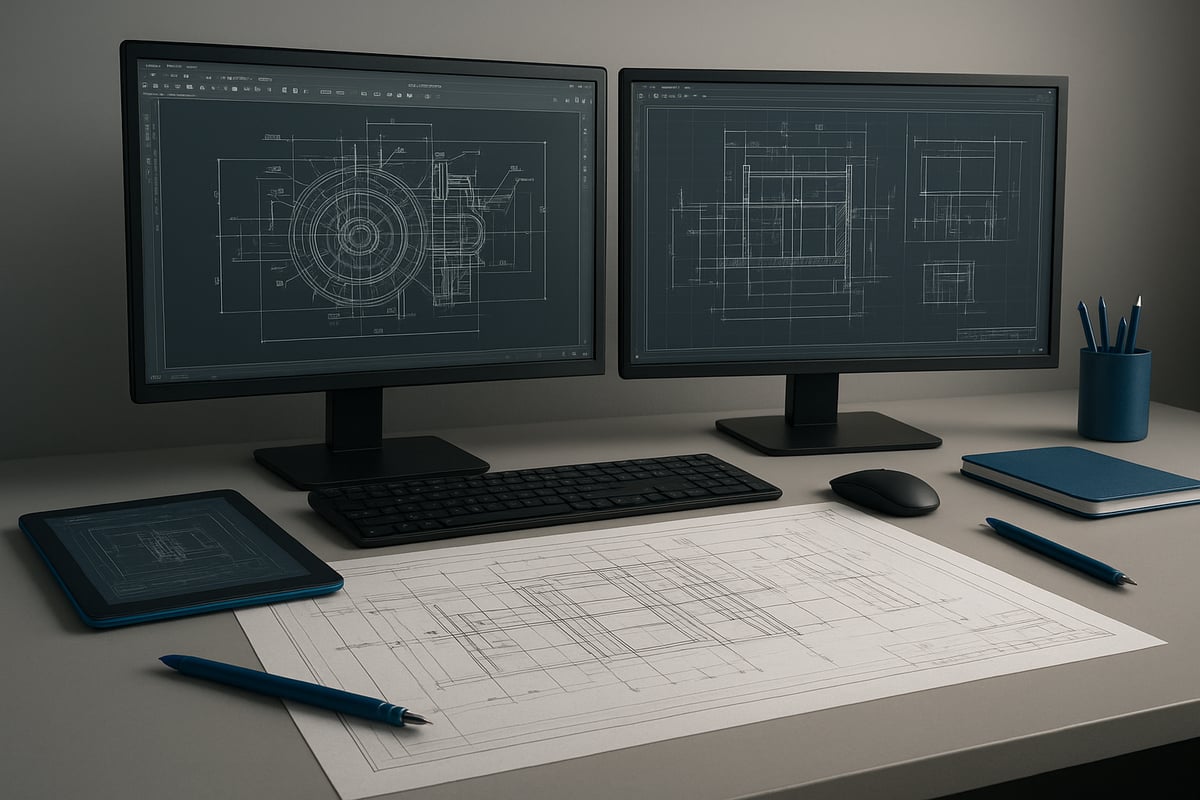
Technical proficiency sits at the heart of every draughtsperson’s toolkit. In 2026, expertise in computer-aided design (CAD) software such as AutoCAD, Revit, and SolidWorks is non-negotiable. These tools enable the creation of precise technical drawings and 3D models essential for construction and manufacturing projects.
Understanding Building Information Modelling (BIM) is also crucial. BIM allows a draughtsperson to integrate data, track project changes, and collaborate across disciplines. Strong mathematical skills and spatial reasoning ensure accuracy in every plan, while a deep knowledge of Australian building codes and regulations underpins compliance and safety.
Attention to detail is vital, especially when producing documents for regulatory approval. For instance, the use of Red Line Plans for Permits demonstrates how a draughtsperson must update and annotate plans to meet permit requirements, ensuring all changes are clearly communicated and compliant.
Mastering these technical skills allows a draughtsperson to deliver reliable, regulation-ready work and adapt to new digital tools as the industry evolves.
Soft Skills and Professional Attributes
Beyond technical expertise, a draughtsperson must demonstrate excellent soft skills and professional attributes to thrive in 2026. Effective communication is key, as draughtspersons regularly interpret ideas from architects, engineers, and clients, translating them into actionable plans.
The ability to solve problems and adapt quickly is highly valued, particularly in fast-paced project environments. Time management skills help a draughtsperson meet tight deadlines and juggle multiple projects without sacrificing quality.
Continuous learning is part of the job, as technologies and standards evolve rapidly. Many employers foster supportive, collaborative environments, as seen in job listings from companies like Sydney Woodworkers Warehouse. Here, a draughtsperson is encouraged to share knowledge, mentor peers, and contribute to a positive team culture.
These professional attributes position a draughtsperson for long-term success, ensuring they remain adaptable and valuable assets to any project team.
Industry-Specific Knowledge
A draughtsperson’s effectiveness also depends on industry-specific knowledge tailored to their chosen field. Specialisations include architectural, mechanical, civil, and electrical drafting, each with unique standards and technical requirements.
Staying informed about sustainability and green building practices is increasingly important. A draughtsperson who understands energy-efficient materials and passive design principles can help deliver environmentally responsible projects. For example, architectural drafting in heritage overlays, such as those in Melbourne, requires sensitivity to historical context and regulatory constraints.
By developing deep sector knowledge, a draughtsperson not only enhances their own value but also contributes to the broader goals of sustainable, compliant, and innovative design.
Education, Training & Certification Pathways
Education and professional development are the foundation for any aspiring draughtsperson looking to build a successful career in Australia. Understanding the formal pathways, industry accreditation, and opportunities for ongoing training is essential for anyone wanting to enter or advance in this dynamic field.

Entry Requirements and Qualifications
To begin a career as a draughtsperson, most individuals start with a nationally recognised qualification. Common entry points include a Certificate IV in Drafting, a Diploma of Building Design, or a related field delivered through TAFE or registered training organisations. These courses provide essential knowledge in technical drawing, building codes, and digital design, laying the groundwork for future employment.
For those seeking a hands-on approach, apprenticeships and traineeships offer valuable on-the-job learning. Many employers welcome candidates with no prior experience, providing junior draughtsperson roles combined with structured training and mentorship. This pathway allows individuals to develop practical skills while earning a wage.
Continuous professional development is highly encouraged in the industry. Upskilling through short courses, advanced software training, and industry workshops keeps draughtspersons current with evolving technologies and regulations. For a detailed overview of education requirements and employment trends in civil drafting, refer to the Civil Engineering Draftspersons and Technicians overview.
Industry Accreditation and Associations
Professional accreditation is a significant step in establishing credibility as a draughtsperson. Several key industry bodies offer membership, including the Victorian Building Authority (VBA), Building Designers Association of Australia (BDAA), Design Matters National, and the Registered Building Practitioner (RBP) scheme. These organisations set standards for professional practice and offer resources, advocacy, and networking opportunities.
Accreditation signals to employers and clients that a draughtsperson operates to recognised industry standards and complies with regulatory requirements. Membership often provides access to ongoing education, technical updates, and industry events.
Being affiliated with these bodies also enhances career prospects. For example, many job listings require or prefer candidates with active membership in a relevant association. This not only builds trust but also connects draughtspersons with peers and mentors who can support their professional development.
Specialisations and Advanced Training
Draughtspersons can choose to specialise in areas such as architectural, civil, mechanical, or electrical drafting. Each specialisation demands sector-specific knowledge and technical expertise. Advanced software certifications, such as proficiency in Revit or SolidWorks, can further distinguish a draughtsperson in the job market.
Short courses and structured training programs are valuable for those seeking to expand their skills. Mentoring is another important aspect, with companies like Capral Limited offering technical mentoring for junior staff, guiding them through complex projects and advanced drafting techniques.
Continuous learning is vital. As the industry evolves, draughtspersons must stay updated on new regulations, sustainability practices, and design technologies. Specialisation and advanced training open doors to senior roles and niche positions, supporting long-term career growth in the profession.
Career Opportunities and Industry Trends
Australia’s construction and design landscape is rapidly evolving, opening up a wealth of opportunities for anyone pursuing a draughtsperson career. With the ongoing demand for precise technical drawings and compliant plans, draughtspersons are increasingly valued across multiple sectors. Understanding where these roles are growing, what employers seek, and how the market is shifting is vital for mapping out a successful career trajectory.

Employment Sectors and Job Types
Draughtspersons play a pivotal role in sectors such as construction, architecture, engineering, manufacturing, and government. These industries rely on technical expertise to deliver projects that comply with regulations and meet client needs.
Common draughtsperson job types include:
- Junior drafter
- Technical officer
- Design facilitator
- Senior draughtsperson
Growth areas are emerging in multi-unit developments, infrastructure upgrades, and the renewable energy sector. For example, a recent search found 233 draughtsperson jobs listed nationally, reflecting robust demand and a healthy employment outlook. With projects diversifying, draughtspersons can find roles tailored to their interests and specialisations.
Job Market Trends and Demand
Demand for draughtspersons varies by region, with strong activity in metropolitan hubs like Sydney, Melbourne, and Brisbane. The post-pandemic era has introduced more hybrid and remote work, allowing draughtspersons to contribute from office environments or home studios.
Employers increasingly seek compliance-ready plans, driven by regulatory updates and a focus on quality assurance. Flexible work arrangements and supportive team cultures are now commonly highlighted in job advertisements, making the field more accessible and attractive. According to Employment projections for draughtspersons, the sector is expected to see steady growth through 2026, with new opportunities arising from infrastructure investments and sustainability initiatives.
Salary Expectations and Career Progression
Salary for a draughtsperson depends on experience, location, and area of specialisation. Entry-level positions typically start lower, while experienced draughtspersons can expect higher remuneration.
| Experience Level | Salary Range (AUD) | Typical Roles |
|---|---|---|
| Junior Drafter | $50,000 – $60,000 | Entry-level, support roles |
| Experienced Draughtsperson | $75,000 – $80,000 | Project drafter, senior drafter |
| Senior/Team Lead | $90,000+ | Project lead, technical manager |
Factors influencing salary include:
- Geographic location
- Specialisation (architectural, civil, mechanical, electrical)
- Level of responsibility and project complexity
Career progression often follows a pathway from junior drafter to senior roles or into project management. For instance, at Capral Limited, a Junior Draftsperson or Technical Officer can advance through structured mentoring and training, gaining both technical and leadership skills.
Career Opportunities and Industry Trends
The draughtsperson profession is evolving alongside industry trends, offering diverse career options and the potential for long-term growth. By staying informed about sector developments and building a versatile skill set, draughtspersons can position themselves for rewarding roles and advancement in Australia’s dynamic construction and design sectors.
The Future of Drafting: Technology, Sustainability & Emerging Skills
The world of drafting is entering a transformative era, and for every draughtsperson, staying ahead means embracing rapid change. The industry is being reshaped by innovation, sustainability, and evolving skill sets. Understanding these shifts is essential for those looking to thrive in the coming years.
Technological Advancements in Drafting
Technology is redefining the draughtsperson role in Australia. Automation, artificial intelligence, and machine learning are beginning to handle repetitive drafting tasks, freeing up more time for creativity and problem-solving. Computer-Aided Design (CAD) remains a core tool, but Building Information Modelling (BIM) is now indispensable for integrated project delivery.
Cloud-based platforms allow draughtspersons to collaborate in real time, whether they are in the office or working remotely. The introduction of Virtual Reality (VR) and Augmented Reality (AR) is changing how clients and teams visualise plans, making it easier to spot issues before construction begins.
3D modelling is not just about visual appeal. It enhances accuracy and client communication, bringing concepts to life early in the process. For those specialising in architectural drafting, gaining expertise in these tools is crucial. You can explore more about these evolving methods at Architectural Drafting Explained.
Key Technologies Shaping Drafting
| Technology | Benefit for Draughtspersons |
|---|---|
| CAD/BIM | Precision and integrated project data |
| VR/AR | Immersive design visualisation |
| Cloud Collaboration | Flexible, real-time teamwork |
| AI/Automation | Efficiency, improved quality |
| 3D Modelling | Enhanced accuracy and client insight |
Sustainability and Green Building Trends
Sustainability is no longer optional. The draughtsperson now plays a vital role in driving eco-friendly outcomes across all project stages. New regulations and client expectations are pushing for energy-efficient, low-impact designs.
Green building trends require draughtspersons to stay informed about sustainable materials, passive design strategies, and the latest environmental standards. Every plan must account for energy performance and compliance with national standards.
Working closely with architects and engineers, draughtspersons help integrate solar orientation, water-saving systems, and recycled materials into project plans. These efforts support both compliance and cost-effectiveness, positioning the draughtsperson as a leader in the transition to greener construction.
Sustainable Practices in Drafting
- Selecting low-emission and recycled materials
- Designing for natural light and passive heating/cooling
- Integrating rainwater harvesting and energy-efficient systems
A draughtsperson who can translate sustainability goals into compliant, buildable plans will continue to be in high demand.
Skills for the Future Draughtsperson
To excel as a draughtsperson in 2026 and beyond, a blend of technical and soft skills is essential. Digital literacy is now a core requirement. Proficiency with advanced software, data analysis, and cloud tools is expected.
Adaptability is equally important. With technology evolving quickly, a draughtsperson must be open to learning and upskilling regularly. Cross-disciplinary collaboration is also crucial. Projects increasingly require input from architects, engineers, sustainability consultants, and clients.
Time management, regulatory knowledge, and strong communication skills round out the future skill set. Continuous professional development is the best way to ensure a draughtsperson remains relevant as the industry changes.
Industry Outlook for 2026 and Beyond
The Australian construction and design sectors are projected to grow, creating fresh opportunities for every draughtsperson. Infrastructure, housing, and renewable energy projects are on the rise, offering new career pathways and specialisations.
Job listings continue to climb, reflecting strong demand for skilled draughtspersons who can deliver compliant, innovative plans. The sector is diversifying, with more roles in infrastructure, sustainable development, and advanced manufacturing.
The draughtsperson role is evolving into a strategic partner in the project lifecycle, not just a technical specialist. For a detailed look at projected growth and workforce trends, see the Australian Industry Outlook for 2026.
The future is bright for those ready to embrace technology, sustainability, and lifelong learning.
Pathways to Success: Steps to Launch and Advance Your Draughtsperson Career
Starting and progressing in a draughtsperson career requires a clear plan, practical skills, and a commitment to lifelong learning. Whether you are just beginning or aiming to move into senior roles, following a structured pathway gives you the best chance of success. Below are the essential steps to help you launch and advance your draughtsperson journey in Australia.
Step 1: Assess Your Interest and Aptitude
Begin by evaluating your strengths and interests. Are you detail-oriented, analytical, and creative? Success as a draughtsperson often depends on strong spatial reasoning, a passion for design, and effective communication skills.
Take the time to research different industry sectors and specialisations. Consider which draughtsperson roles align with your natural abilities and long-term career goals.
Step 2: Choose the Right Education or Training Program
Selecting the appropriate education is crucial. Look for accredited courses such as Certificate IV in Drafting or a Diploma of Building Design. Apprenticeships and traineeships are also valuable pathways, especially if you prefer hands-on learning.
Prioritise programs that offer industry connections, practical training, and exposure to current drafting technologies. This foundation will help you stand out as a draughtsperson in a competitive market.
Step 3: Build Technical Proficiency and Portfolio
Developing proficiency with industry-standard software is essential for any draughtsperson. Invest time in mastering CAD tools, BIM platforms, and understanding technical drawing standards.
As you gain skills, assemble a diverse portfolio showcasing your best work. Include examples of residential, commercial, or specialised drafting projects. A strong portfolio demonstrates your capabilities and growth as a draughtsperson.
Step 4: Gain Work Experience and Network
Work experience is vital for building confidence and industry knowledge. Seek out internships, traineeships, or entry-level draughtsperson positions to apply your skills in real-world settings.
Networking is equally important. Join professional associations and attend industry events to connect with peers and mentors. Real-world opportunities, like those found through Drafting Services in Melbourne, can help you understand the scope of work and career paths available.
Step 5: Seek Accreditation and Specialisation
Obtaining relevant certifications and memberships enhances your credibility as a draughtsperson. Explore accreditation requirements through industry bodies and consider advanced training in your area of interest.
For those drawn to architectural drafting, understanding the professional requirements for architects in Australia can provide valuable insight into the standards and pathways for further progression.
Step 6: Embrace Continuous Learning and Industry Trends
The draughtsperson profession is evolving rapidly. Stay updated with new technologies, changes in Australian building codes, and best practices in sustainability.
Participate in workshops, online courses, and seminars to keep your skills relevant. Continuous learning ensures you remain competitive and adaptable as a draughtsperson in 2026 and beyond.
Step 7: Plan for Career Growth and Advancement
Set clear short- and long-term goals for your draughtsperson career. Consider pathways for progression, such as moving from junior drafter to senior draughtsperson, technical officer, or project manager.
Explore leadership or specialist roles as your experience grows. Strategic planning and ongoing professional development will help you achieve lasting success in the draughtsperson field.
As you look ahead to a rewarding career as a draughtsperson in Australia, it’s important to align your skills and ambitions with industry demands and emerging trends. Whether you’re considering your first steps or seeking to advance your expertise, working with professionals who value precision, clear communication, and tailored solutions can make all the difference. At TJR Projects, we understand the unique challenges and opportunities in architectural and residential drafting. If you’re ready to translate your vision or plans into reality with a team that supports your goals, Begin Your Project today.