

Imagine you are planning your dream home or a major renovation for 2026. The professional you select, whether a building architect or a designer, will directly shape the success of your project. Many Australians find themselves unsure about the differences between these roles and which is the best fit for their needs.
Quick answer: In 2026, a building architect typically manages complex, bespoke projects from concept to completion, focusing on innovative design, aesthetics, and sustainability. A building designer, while also skilled, often handles less complex or more standardised residential projects. Key differences lie in their education, regulation, specific services offered, and associated costs, influencing project suitability.
This article will demystify the key distinctions between a building architect and a building designer. We will explore their education, regulation, services, costs, and what makes each suitable for different projects. Make an informed choice with our expert guidance—read on to ensure the best outcome for your vision.
Defining Building Architects and Designers in 2026
Planning a new build or major renovation in 2026 means choosing the right professional. Understanding the difference between a building architect and a building designer is essential for Australians seeking the best outcome for their project. Each role brings unique skills, approaches, and value to the table.

The Role of a Building Architect
A building architect takes charge of the entire design process, from the initial concept through to project completion. Their responsibilities include site analysis, feasibility studies, and detailed planning. They are known for their design philosophy, focusing on innovation, aesthetics, and a holistic approach to each project.
Building architects excel at managing complex or bespoke developments, such as luxury homes or multi-unit residences. They often lead sustainability initiatives, integrating eco-friendly materials and energy-efficient systems. Project management is a core strength, ensuring deadlines and budgets are met while upholding quality.
Examples of architect-led projects include award-winning homes, commercial spaces, and public buildings. These outcomes showcase the creative and technical expertise a building architect brings to every stage of construction.
The Role of a Building Designer
A building designer specialises in practical, cost-effective solutions for residential, renovation, and small commercial projects. Their focus lies in drafting, planning, and ensuring designs are functional and meet client needs. Building designers are known for their adaptability and ability to deliver projects within tight budgets and timelines.
The field has seen a rise in professionalism and skill, with many designers holding advanced qualifications. They are particularly sought after for home extensions, renovations, and new home designs that require clear communication and efficient documentation.
Successful designer-led projects range from energy-efficient suburban homes to stylish apartment renovations. Building designers are valued for their approachable service and ability to translate ideas into achievable plans.
Overlapping Duties and Key Distinctions
Both a building architect and a building designer draft plans, consult with clients, and ensure compliance with building codes. However, their roles diverge in project scope and creative input. Architects are typically engaged for larger, more complex projects requiring bespoke solutions, while designers focus on practical outcomes for smaller builds.
Technological advances, such as 3D modelling, are bridging the gap between the two. Still, distinctions remain in education, legal standing, and the level of creative innovation offered. Misconceptions often arise about their similarities, but as outlined in Architect vs. Building Designer: Key Differences, understanding these differences is key to making the right choice.
| Task | Building Architect | Building Designer |
|---|---|---|
| Complex Projects | ✅ | Limited |
| Legal Title Protection | ✅ | ❌ |
| Drafting & Documentation | ✅ | ✅ |
| Creative Innovation | High | Moderate |
Emerging Trends Shaping Both Professions
Several trends are transforming both the building architect and building designer roles in 2026. Sustainability is at the forefront, with growing demand for green materials and energy efficiency. Smart home technology is being integrated into both design and construction phases, while digital tools like BIM and VR are enhancing collaboration and client engagement.
Regulatory changes are encouraging higher standards and more consistent qualifications nationwide. Industry experts predict increased collaboration between architects, designers, and other professionals, leading to more integrated project delivery. Recent statistics show a rise in multidisciplinary teams tackling complex projects and meeting the evolving expectations of Australian clients.
Education, Accreditation, and Regulation: What Sets Them Apart?
Choosing between a building architect and a designer requires a clear understanding of their qualifications, accreditation, and legal standing. In Australia, these distinctions impact not only project outcomes but also your legal protection and peace of mind.
Architect Qualifications and Legal Requirements
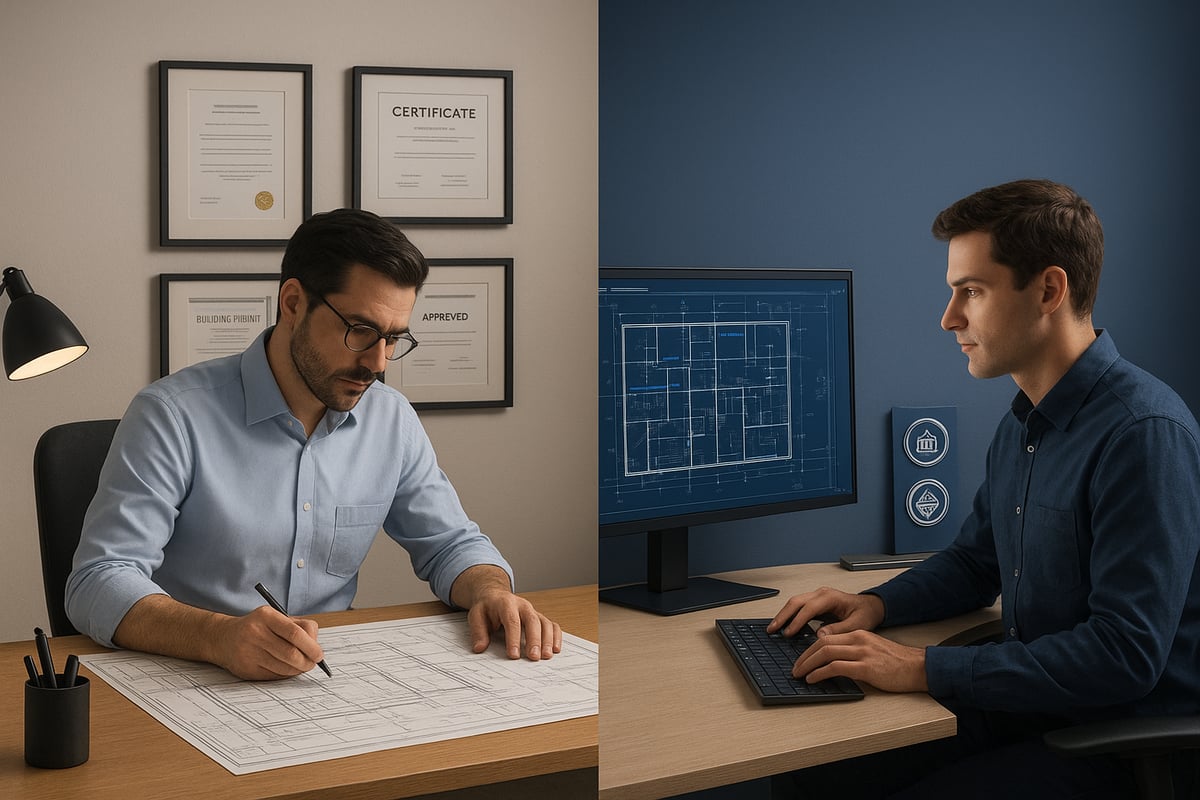
The pathway to becoming a building architect in Australia is rigorous and highly regulated. It starts with completing an accredited architecture degree, followed by a period of supervised practical experience. Prospective architects then sit registration exams, which test knowledge of design, construction, and legal responsibilities.
Each state and territory requires architects to register with a governing body. The title “building architect” is legally protected, meaning only those who meet strict criteria can use it. Ongoing professional development is mandatory, ensuring architects remain up to date with industry standards. According to the Architects Accreditation Council of Australia, there are over 13,000 registered architects nationwide. Architects must also carry professional indemnity insurance, safeguarding clients from liability issues.
Building Designer Qualifications and Regulation
In contrast, the route to becoming a building designer is more varied. Many hold diplomas, advanced diplomas, or bachelor’s degrees in building design or related fields. However, the title “building designer” is not protected by law, and requirements differ between states.
Some regions require building designers to register or be licensed, while others do not. Professional membership with bodies like the Building Designers Association of Australia (BDAA) is common and signals commitment to standards. The building architect pathway is more uniform, whereas building designers’ qualifications can range widely. This diversity has led to both highly skilled designers and some less qualified practitioners in the market.
Regional Differences Across Australia
State and territory regulations for both the building architect and building designer vary significantly. For example, Victoria, Queensland, and Tasmania require building designers to be registered and adhere to specific codes of conduct. In New South Wales and Western Australia, regulations are less stringent, and registration may not be mandatory.
These differences influence how projects are approved and the level of client protection. In regulated states, clients enjoy greater assurance that their building architect or designer meets minimum standards. Government statistics show that states with strict licensing have fewer disputes and faster project approvals, highlighting the value of robust regulation.
Accreditation Bodies and Industry Associations
Industry bodies play a crucial role in maintaining the standards of both the building architect and the building designer. Key organisations include the Architects Accreditation Council of Australia (AACA), Building Designers Association of Australia (BDAA), and Design Matters National.
Membership with these associations offers benefits such as access to professional development, support networks, and ethical guidelines. For both professions, accreditation ensures ongoing education and adherence to best practices. Initiatives like mentoring programs and annual conferences help professionals stay current, while clients gain confidence in their chosen expert’s credentials.
The Importance of Checking Credentials
For homeowners, verifying the credentials of a building architect or designer is essential. Engaging an unqualified practitioner can lead to costly mistakes, legal complications, or project delays. Always check public registers and professional association directories to confirm qualifications.
Practical tips include requesting copies of degrees, licences, and insurance certificates. Case studies show that clients who checked credentials avoided disputes and substandard work. According to industry data, credential checks significantly reduce the risk of project issues, reinforcing the importance of due diligence.
Scope of Services: What to Expect from Each Professional
Building or renovating a home in Australia involves critical choices about who will lead your project. Understanding what a building architect and a building designer each bring to the table can help you set realistic expectations and achieve the best results for your investment.

Services Provided by Building Architects
A building architect provides a comprehensive suite of services from initial concept to project completion. Their role spans site analysis, feasibility studies, design development, construction documentation, and contract administration. Architects excel at managing complex, bespoke projects and are frequently involved in sustainability consulting and interior design.
Key services typically include:
- Concept and schematic design
- Detailed construction drawings
- Coordination with consultants and builders
- Site supervision and project management
The building architect’s expertise is especially valuable for projects requiring innovation and holistic planning. For a deeper understanding of their technical drafting role, you can refer to Drafting and architectural drafting. Many clients report high satisfaction with architect-led projects, citing strong oversight and distinctive results.
Services Provided by Building Designers
Building designers specialise in practical, cost-effective solutions for residential, renovation, and small commercial projects. Their services often focus on drafting plans, design development, documentation for permits, and liaising with builders. A building architect may be more involved in large-scale or complex projects, while building designers often excel in renovations and extensions.
Typical services include:
- Drafting and design documentation
- Preparing plans for council approval
- Consultation on materials and finishes
- Energy efficiency solutions
Clients often appreciate the flexibility and affordability of building designers. The field is becoming increasingly professional, with many designers delivering impressive results for homeowners seeking tailored yet practical solutions.
Project Types and Complexity
Choosing a building architect or building designer often depends on the project’s scope and complexity. Building architects are usually engaged for luxury homes, multi-unit developments, and complex commercial spaces. In contrast, building designers are well-suited for straightforward renovations, home extensions, and small-to-medium residential builds.
| Project Type | Building Architect | Building Designer |
|---|---|---|
| Luxury custom homes | ✓ | |
| Multi-unit developments | ✓ | |
| Small residential builds | ✓ | |
| Renovations and extensions | ✓ | ✓ |
| Commercial projects | ✓ | Limited |
A building architect can manage high-risk or intricate projects, ensuring strict compliance and creative design, while a building designer delivers value on simpler builds.
Design Approach and Creativity
The design philosophy of a building architect often centres on bespoke, innovative solutions that integrate the client’s vision with site-specific challenges. Architects are trained to think holistically, balancing aesthetics, functionality, and sustainability.
Building designers, while creative, typically emphasise practicality and efficiency. Their approach is solutions-driven, focusing on meeting the client’s needs within budget and regulatory constraints.
Both professionals collaborate closely with clients. However, the building architect may push creative boundaries, while the designer ensures the design remains achievable and cost-effective. This distinction shapes the overall look, feel, and performance of the finished project.
Communication, Project Management, and Collaboration
Effective communication is a hallmark of both professions, yet the building architect often assumes the role of project leader. They coordinate teams, manage consultants, and oversee construction to maintain design intent and quality.
Building designers generally adopt a collaborative approach, working closely with clients, builders, and suppliers. Their flexibility allows for smooth adjustments during the project.
Clients value clear documentation and transparency from both professionals. Strong project management can mean fewer delays, better coordination, and a more enjoyable design journey. Homeowners consistently note that the building architect’s structured process and the designer’s adaptability both contribute to successful outcomes.
Compliance, Permits, and Regulatory Navigation
Navigating regulations is a critical part of both roles. The building architect and building designer must ensure all plans comply with building codes and local council requirements. This includes preparing documentation for planning and building permits, liaising with authorities, and addressing any compliance issues.
A building architect may handle more complex approval processes, particularly for larger or non-standard developments. Building designers are highly skilled at guiding residential projects through council approvals efficiently.
Thorough documentation and proactive communication help prevent costly delays. Case studies show that both professionals can resolve regulatory challenges effectively, provided they are engaged early and maintain rigorous attention to detail.
Cost, Fees, and Value: What’s the Investment?
Understanding the financial side of hiring a building architect or a building designer is crucial when planning your project. The investment you make here not only shapes your budget but also impacts the outcome and long-term value of your home or renovation.
Fee Structures and Typical Costs
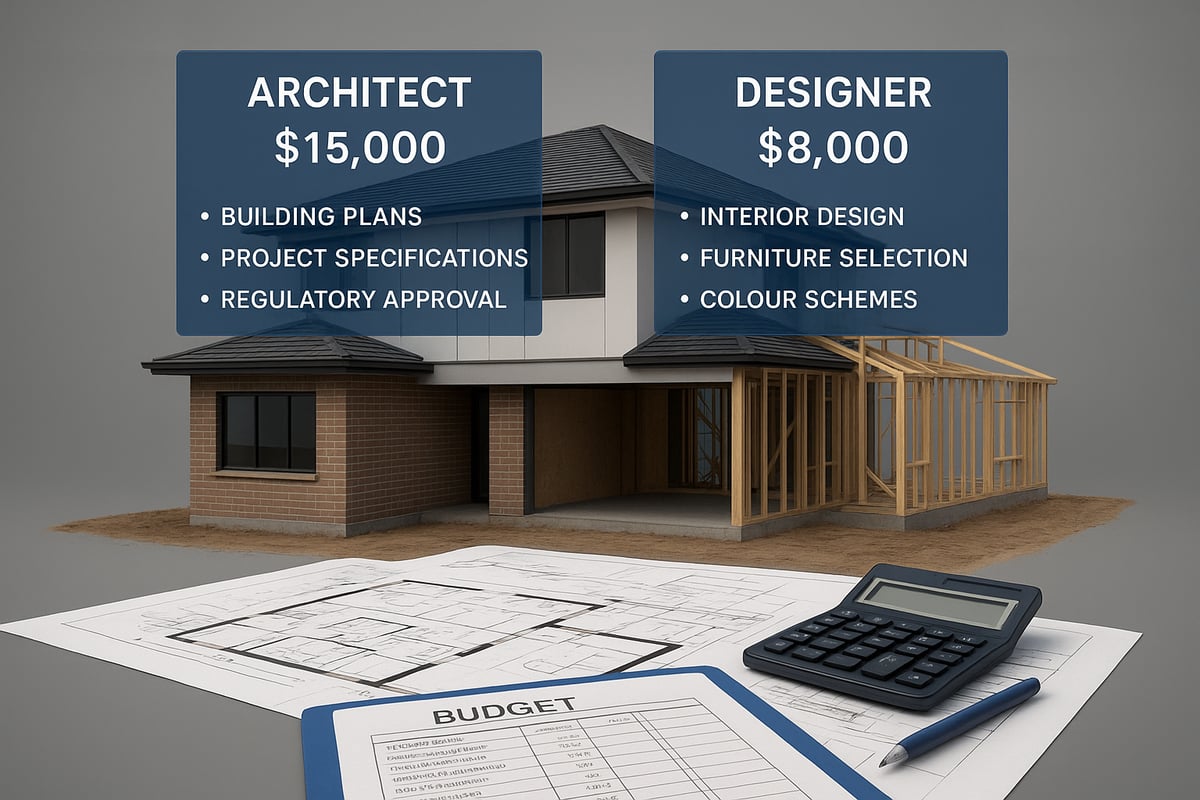
The way a building architect and a building designer charge for their services varies, which can significantly influence your overall budget. Typically, a building architect charges as a percentage of the total construction cost, often ranging from 8% to 15%. In contrast, a building designer usually charges between 3% and 5%. Some professionals may also offer fixed fees or hourly rates, especially for smaller projects.
Here's a quick comparison:
| Professional | Typical Fee Structure | Average Fee Range |
|---|---|---|
| Building Architect | % of project, fixed, hourly | 8% – 15% |
| Building Designer | % of project, fixed, hourly | 3% – 5% |
Factors like project size, complexity, and location all play a role in the final cost. For more details on planning and budgeting for a new build, see New home design and planning.
What’s Included in the Price?
When reviewing quotes from a building architect or a designer, it is important to understand exactly what is included. Standard fees generally cover concept design, design development, detailed documentation, and coordination with builders. Site visits, permit applications, and basic project management are often part of the package.
However, some services may be considered extras, such as:
- Interior design
- Advanced sustainability reports
- Full project administration
Transparent contracts and itemised quotes help you avoid unexpected costs. Comprehensive packages from a building architect often include more value-added services, while basic designer packages may focus on essential design and documentation.
Cost Versus Value: Weighing the Benefits
Choosing between a building architect and a designer is not just about the upfront price. A building architect can add significant value through innovative design, efficient project management, and increased resale value. For straightforward projects, a building designer offers a cost-effective solution without compromising on essential outcomes.
Studies show that professional input can save money by avoiding costly mistakes and delays. For example, an architect’s expertise might streamline approvals or solve complex site issues, while a designer’s practical approach can deliver efficient results within tight budgets. Assessing long-term benefits is just as important as considering initial savings.
Budgeting and Financial Planning Tips
Setting a realistic budget is the first step for any successful project. Begin by listing all expected costs, including professional fees, permits, and contingencies. Compare multiple quotes, making sure you understand what each covers.
Tips for effective budgeting:
- Always allow a contingency fund of at least 10% for unforeseen expenses.
- Use checklists to track inclusions and exclusions in quotes.
- Ask for detailed breakdowns from your building architect or designer.
Learning from other homeowners’ experiences can provide valuable insights into managing costs and staying on track.
The Impact of Professional Choice on Project Costs
The professional you select—building architect or designer—can greatly affect your total project expenditure. While a building architect may require a higher upfront investment, their expertise can result in fewer costly surprises and smoother project delivery. Conversely, choosing a designer may save money initially but could increase risks on complex builds.
Industry data shows that projects led by a registered building architect often achieve higher client satisfaction and better long-term value. However, under-investing in professional services may lead to cost overruns or compromised quality. Align your choice with your financial goals and the demands of your project for the best results.
Choosing the Right Professional for Your Project
Embarking on a new build or renovation is a significant investment, and choosing the right building architect or designer will shape your experience and results. With so many options available, how do you ensure the professional you select aligns with your vision, budget, and expectations? Let us break down the key steps to help you make a confident, informed decision.
Assessing Your Project Needs and Goals
Before you engage a building architect or designer, clarify your project’s objectives. Are you planning a luxury home, an energy-efficient renovation, or a straightforward extension? Consider factors like complexity, sustainability targets, and long-term lifestyle goals.
Make a checklist of must-haves and nice-to-haves. Think about your preferred style, budget range, and any regulatory requirements specific to your site. For instance, homeowners seeking major home extensions and renovations may benefit from professionals with proven experience in similar projects.
Expert advice suggests matching your project’s complexity with the right expertise. If your vision involves intricate design or challenging planning overlays, a building architect may offer the strategic insight needed. For smaller, cost-conscious builds, a skilled designer could be ideal.
Evaluating Portfolios and Previous Work
Reviewing a professional’s previous work is crucial. Request portfolios that showcase projects similar in scale and style to yours. Look for variety, innovation, and attention to detail.
Site visits can offer invaluable insights, allowing you to see finished work firsthand. Ask for client references and follow up with them to gauge satisfaction levels and understand the working relationship.
Be alert to red flags such as a lack of recent projects, inconsistent design quality, or reluctance to provide references. Positive indicators include awards, published work, and glowing testimonials. During initial meetings, ask about design challenges overcome and how the building architect or designer collaborates with clients.
Checking Accreditations, Memberships, and References
Verifying qualifications is non-negotiable. Confirm your chosen building architect is registered with the relevant state board and check for memberships in industry associations. Similarly, reputable designers often belong to organisations like the Building Designers Association of Australia, which sets professional standards.
Use public registers and association directories to validate credentials. Third-party endorsements, such as industry awards, can also be a sign of commitment to quality. Ask for proof of insurance and examples of continued professional development.
Client satisfaction rates are consistently higher for accredited professionals. Taking these steps reduces risk and enhances the likelihood of a successful project outcome.
Communication, Compatibility, and Process
Strong communication is the bedrock of any successful build. Assess how a building architect or designer explains their process, responds to your ideas, and handles feedback.
Establish expectations early, including timelines, deliverables, and points of contact. Compatibility in working style and values will contribute to a smoother journey. Ask questions like: How will progress be reported? Who handles council approvals? What is the preferred method of communication?
Feedback from past clients consistently highlights the importance of transparency and regular updates. Building rapport and clarity at this stage will help prevent misunderstandings later.
Comparing Quotes and Making the Final Decision
Request detailed, itemised quotes from shortlisted professionals. Compare not just the bottom line, but also what is included: design development, documentation, site supervision, and post-completion support.
Balance cost with value, factoring in the professional’s experience, design approach, and the level of service provided. Use a decision-making checklist:
- Does the candidate have relevant project experience?
- Are they properly accredited and insured?
- Is the communication style a good fit?
- Do the inclusions match your needs and expectations?
- Is the fee structure clear and transparent?
Seek expert opinions if unsure, and avoid making the final decision solely on price.
Common Mistakes and How to Avoid Them
Many homeowners fall into common traps, such as choosing a building architect or designer based only on cost or neglecting to check credentials. Unclear project briefs and inadequate communication can also derail your build.
To avoid these issues:
- Always verify qualifications and memberships.
- Provide a comprehensive, written brief.
- Maintain open, regular communication.
- Monitor progress and address concerns early.
Real-world examples show that proactive management and due diligence protect both your investment and your peace of mind. Use reputable resources and take the time to select the right professional for your unique project.
The Future of Building Design and Architecture in Australia
The next few years promise a dramatic evolution in the role of the building architect and designer. From new technologies to shifting client expectations, both professions are adapting quickly to a changing landscape. Staying informed about these trends is essential for homeowners, developers, and anyone considering a career in this field.
Technological Advancements and Their Impact
Technology is reshaping the daily practice of every building architect. Tools like Building Information Modelling (BIM), 3D modelling, and virtual reality are now standard, allowing professionals to visualise spaces and detect issues before construction starts. Artificial intelligence is streamlining drafting, documentation, and project management, leading to greater efficiency.
Clients can now experience virtual walkthroughs and make informed choices about their projects. For those considering a career as a building architect, digital literacy is no longer optional. Staying up to date with the National Standard of Competency for Architects ensures professionals meet evolving industry benchmarks.
Sustainability, Regulations, and Green Design
Sustainability is front and centre in Australian building design. Both the building architect and designer are expected to deliver energy-efficient, environmentally responsible solutions. New building codes and government incentives are driving demand for solar integration, smart water systems, and sustainable materials.
Clients are increasingly requesting green certifications and low-impact construction. As regulations tighten, professionals who can deliver on these priorities will stand out. For example, a building architect integrating passive solar design can significantly reduce a home’s long-term running costs.
Collaboration and the Blurring of Professional Boundaries
In 2026, collaboration is the norm rather than the exception. The building architect often works as part of integrated project teams, alongside designers, engineers, and sustainability consultants. This multidisciplinary approach results in better outcomes for complex projects, blending creativity with technical expertise.
Building designers are also expanding their roles, offering services that once belonged exclusively to architects. Firms specialising in building designer services Melbourne now frequently partner with architects to deliver comprehensive solutions, demonstrating how boundaries between professions are shifting.
The Evolving Role of the Client
Clients are more informed and involved than ever before. Thanks to online resources and design platforms, homeowners can articulate their vision and participate actively in decision-making. Social media and digital portfolios allow clients to research and compare building architect and designer capabilities with ease.
This shift empowers clients to play a central role in shaping their projects. Successful professionals embrace this trend by fostering transparent communication, providing digital updates, and encouraging client feedback throughout the design journey.
Market Outlook and Career Opportunities
Demand for both building architect and designer roles is set to grow. The market is seeing a rise in specialisations such as sustainable design, heritage restoration, and smart home integration. Ongoing education and upskilling are crucial for anyone hoping to thrive in this evolving environment.
Industry forecasts suggest strong employment prospects, especially for those who combine technical expertise with creative problem-solving. For a building architect, adapting to new technologies and sustainability standards will be particularly important in securing future opportunities.
Key Takeaways for Homeowners and Developers
Choosing between a building architect and a designer will remain a pivotal decision. Consider the complexity of your project, sustainability goals, and the value of innovation versus practicality. Always check credentials, review portfolios, and ask about experience with new technologies.
A quick checklist for the future:
- Define your project goals and budget
- Assess professional qualifications and memberships
- Prioritise sustainability and regulatory compliance
- Embrace digital collaboration and clear communication
- Invest time in selecting the right expert for your needs
Staying proactive and informed will ensure your building journey is a success, regardless of which professional you choose.
As you consider the right professional to shape your dream home or next big renovation, it’s clear that understanding the differences between building architects and designers can make all the difference in your project’s outcome. Whether you’re focused on creative innovation, cost-effective solutions, or navigating regulations with confidence, having expert guidance early on is essential. At TJR Projects, we’re here to help you move from ideas to reality with personalised service and open communication. If you’re ready to turn your vision into a concrete plan, Request an Initial Consultation and let’s discuss how we can bring your project to life.