
The role of a draftsperson is rapidly evolving as Australia’s design and construction sectors embrace new technologies and industry demands. This guide offers a clear roadmap for anyone looking to build or advance a career as a draftsperson in 2026, highlighting the skills, qualifications, and pathways needed for success.
Quick answer: A draftsperson’s role is rapidly evolving due to new technologies and industry demands in Australia’s design and construction sectors. Success in 2026 requires essential technical and soft skills, relevant qualifications, and understanding diverse career paths. Demand for draftspersons is projected to rise, with opportunities in architectural, civil, mechanical, and structural specialisations.
With SEEK projecting an 11.9% rise in drafting jobs over five years, opportunities are growing across the country. In this article, you’ll discover what a draftsperson does, the essential technical and soft skills, education options, career paths, and the latest industry trends. Get ready to unlock your potential and take practical steps towards a rewarding drafting career.
Understanding the Draftsperson Role in 2026
The draftsperson profession is evolving rapidly, reflecting the changing needs of Australia’s design and construction sectors. As we approach 2026, the role of a draftsperson is more dynamic and integral than ever before. Let’s explore what being a draftsperson involves, what their daily work looks like, and why demand for these professionals continues to grow.

Defining the Draftsperson Profession
A draftsperson creates technical drawings, plans, and documentation essential for construction, manufacturing, and engineering projects. They translate design concepts into precise visual instructions used by builders, architects, and engineers. There are several specialisations within the draftsperson field, including architectural, civil, mechanical, and structural drafting.
Architectural draftspersons focus on buildings and spaces, while civil draftspersons work on infrastructure like roads and bridges. Mechanical draftspersons produce drawings for machinery and systems. Typical workplaces include architectural consultancies, construction firms, manufacturing companies, and private practice. For a detailed overview of the architectural draftsperson role and its requirements, see the Architectural draftsperson role overview.
Key Responsibilities and Daily Tasks
The draftsperson role involves a broad range of responsibilities. Draftspersons meet with clients and industry professionals to interpret design briefs and project requirements. They prepare sketches, working drawings, and detailed specifications to communicate design intent clearly.
Core daily tasks include:
- Estimating material costs and aligning work with budgets and project timelines
- Liaising with builders, engineers, and surveyors throughout the project lifecycle
- Ensuring all documentation complies with Australian Standards and relevant building codes
Draftspersons must also update drawings as projects evolve, integrating feedback and revisions efficiently.
The Importance of Draftspersons in Modern Projects
Draftspersons serve as a vital link between creative design and practical construction. They bridge the gap by translating conceptual ideas into actionable plans that builders can follow. This ensures that projects are not only visually appealing but also structurally sound and compliant with regulations.
In residential, commercial, and industrial projects, draftspersons help achieve regulatory compliance and streamline project workflows. Their expertise reduces errors, minimises costly delays, and supports efficient project delivery. Without a skilled draftsperson, many projects would struggle to move from vision to reality.
Current Industry Landscape and Job Outlook
The demand for draftspersons in Australia remains strong, with more than 550 jobs listed on SEEK and an average salary of $88,000. Job satisfaction rates are high, reflecting positive work-life balance and advancement opportunities. SEEK projects an 11.9% increase in draftsperson roles over five years, highlighting the profession’s stability and growth.
Key drivers of demand include ongoing urban development, infrastructure upgrades, residential renovations, and the adoption of new technologies in design and documentation. As digital tools become more advanced, the draftsperson role continues to expand and adapt, making it a future-proof career choice.
Essential Skills for Draftspersons in 2026
A successful draftsperson in 2026 will need to master an evolving mix of technical, regulatory, and interpersonal skills. The modern workplace demands not only expertise in drawing and documentation, but also the ability to adapt to new technologies, work collaboratively, and solve complex design challenges. Let’s explore the core and emerging skills every draftsperson should prioritise.
Technical Proficiency and Software Skills
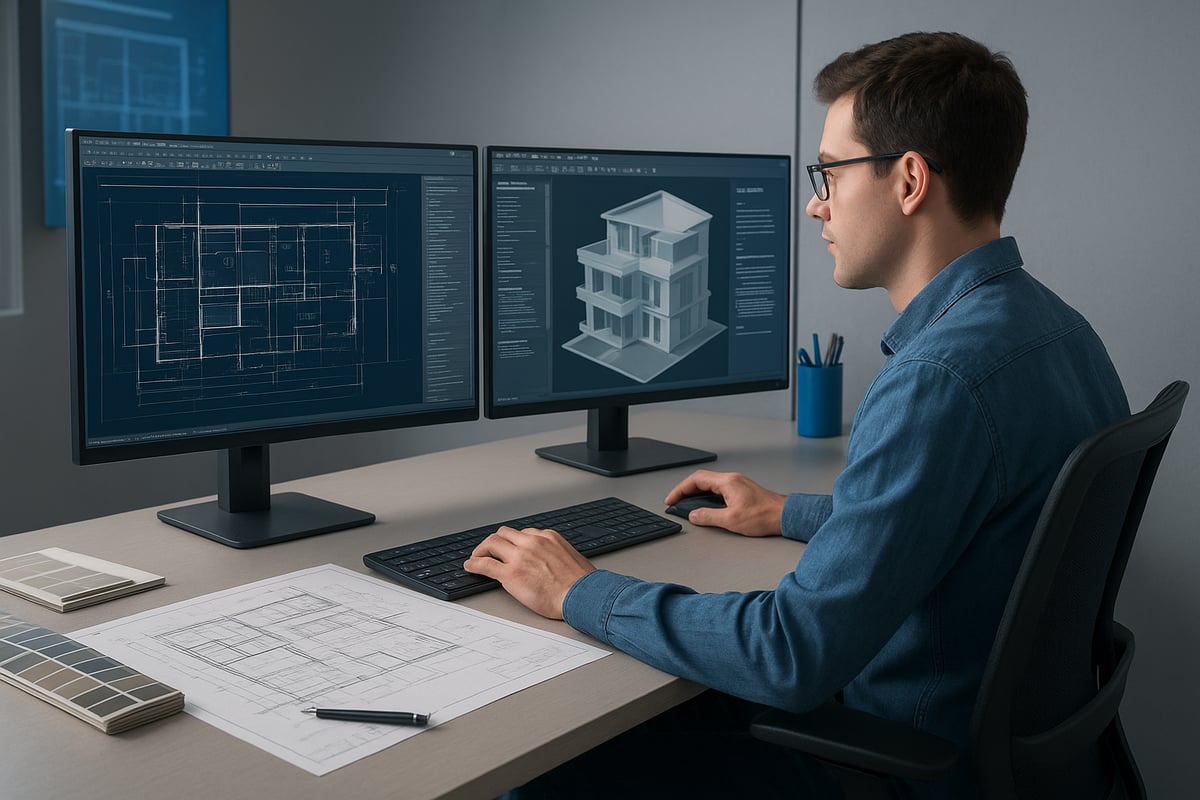
To remain competitive, a draftsperson must demonstrate strong competence in industry-standard software. Mastery of CAD programs such as AutoCAD and Autodesk Revit is critical for producing accurate and efficient technical drawings. Increasingly, 3D modelling and visualisation tools are essential for communicating complex ideas and presenting concepts to clients.
Building Information Modelling (BIM) is rapidly becoming a baseline expectation in large projects, requiring a draftsperson to coordinate detailed digital documentation across multiple disciplines. For those interested in cabinetry or joinery, Cabinet Vision is highly valued. For a more in-depth look at technical competencies and workflows, you can refer to this guide to architectural drafting.
Drawing, Detailing, and Documentation
Producing clear, precise, and detailed drawings is at the heart of a draftsperson’s role. This involves developing working drawings that translate architectural or engineering concepts into actionable plans.
Key responsibilities include:
- Preparing schedules for windows, doors, and materials
- Generating tender, construction, and as-built documentation
- Ensuring all drawings are accurate and ready for approval
Meticulous attention to detail in every drawing helps streamline the construction process and reduce errors. A draftsperson who excels in documentation provides immense value to any project.
Regulatory Knowledge and Compliance
A draftsperson in Australia must have a thorough understanding of national and local building codes, planning schemes, and Australian Standards. This knowledge ensures all documentation meets legal and safety requirements, protecting both clients and the integrity of the project.
Tasks include:
- Interpreting complex compliance requirements
- Applying relevant codes to drawings and specifications
- Staying up to date with ongoing changes in construction regulations
By maintaining high compliance standards, a draftsperson helps projects avoid costly delays and ensures smooth approvals.
Communication and Collaboration Skills
Effective communication is essential for a draftsperson working within multidisciplinary teams. This involves liaising with architects, engineers, builders, and suppliers to interpret project briefs and clarify design intent.
Strong collaboration skills help a draftsperson:
- Present design concepts and revisions clearly
- Integrate feedback from various stakeholders
- Coordinate documentation to ensure consistency and accuracy
The ability to communicate technical information in a way that is easy to understand is a hallmark of a skilled draftsperson.
Problem-Solving and Attention to Detail
Every draftsperson faces challenges, from design discrepancies to tight deadlines. Problem-solving skills enable swift identification and resolution of technical issues before they escalate.
Examples include:
- Troubleshooting clashes in BIM models
- Resolving inconsistencies in documentation
- Implementing quality control checks throughout the drafting process
A draftsperson who pays close attention to detail helps minimise costly project errors and maintains a reputation for reliability.
Education, Qualifications, and Pathways to Becoming a Draftsperson
Australia’s design and construction sectors have clear education and training pathways for aspiring draftsperson professionals. Understanding the requirements, qualifications, and assessment processes is crucial for anyone seeking to thrive in this growing field. Below, we explore the essential steps and documentation you need to launch and advance your draftsperson career.
Required Qualifications and Study Options
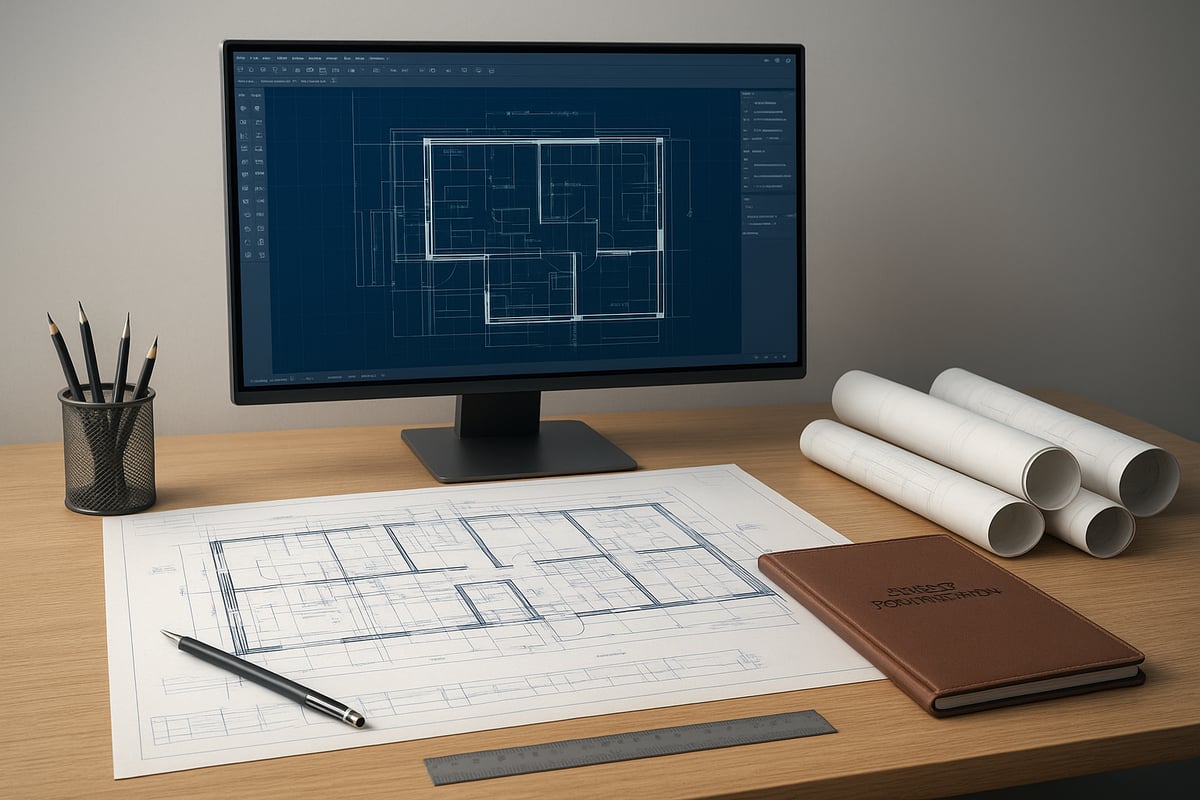
To become a draftsperson in Australia, formal qualifications are highly valued. Entry-level roles generally require a Certificate IV in Engineering Drafting or Residential Drafting. For those seeking advanced roles or specialisations, a Diploma or Advanced Diploma of Building Design (Architectural) is recommended.
Higher education pathways are also available. The Australian Qualifications Framework (AQF) recognises Bachelor, Graduate Diploma, Master, and Doctoral degrees in relevant disciplines. These qualifications equip a draftsperson with technical skills, industry knowledge, and the ability to work on complex projects. Selecting the right study option depends on your career goals, preferred sector, and desired level of expertise.
VETASSESS Assessment Pathways (ANZSCO 312111)
If you are aiming for skills assessment as a draftsperson under ANZSCO 312111, VETASSESS provides several recognised pathways. These include holding highly relevant qualifications, combining additional qualifications with experience, relying on extensive employment, or mixing education and work history.
Applicants must demonstrate a minimum period of employment, typically ranging from one to four years at 20 or more hours per week. For those specialising in civil drafting, the Civil engineering draftsperson skills assessment page details the assessment process and required documentation. Understanding these pathways ensures your eligibility and strengthens your case for employment or migration as a draftsperson.
Gaining Relevant Experience
Hands-on experience is vital for any draftsperson. Post-qualification employment in architectural firms, construction companies, or 3D visualisation studios helps build practical skills and industry contacts. Workplaces often expect you to contribute to real-world projects, develop documentation, and collaborate with multidisciplinary teams.
Building a robust portfolio is essential. Include samples of technical drawings, project documentation, and evidence of your involvement in design processes. This not only demonstrates your capability as a draftsperson but also prepares you for job applications and skills assessments.
Supporting Documentation and Portfolio Development
A successful draftsperson application requires comprehensive supporting documentation. This includes proof of identity, academic transcripts, qualification certificates, and detailed employment references. Skills assessments also expect a project list, design samples, and supplementary evidence like payslips or contracts.
When compiling your portfolio, focus on clarity, variety, and relevance. Highlight projects that showcase your strengths across different drafting disciplines. A well-organised portfolio demonstrates your technical proficiency and attention to detail, both of which are highly valued in the draftsperson profession.
Pathways for Self-Employed Draftspersons
Many professionals choose to work as a self-employed draftsperson, offering flexibility and control over the types of projects undertaken. To prove experience for skills assessment, you must provide additional documentation such as business registration, accountant or solicitor statements, and statutory declarations.
Successful self-employed draftspersons often present a portfolio that includes client contracts, invoices, and completed project documentation. Highlighting diverse projects and satisfied client testimonials can further strengthen your application. With the right evidence and a strong work history, self-employment can be a rewarding path for a draftsperson in Australia's dynamic design and construction industry.
Career Paths and Specialisations for Draftspersons
The career of a draftsperson in Australia is as diverse as the projects shaping the nation’s skylines. From designing homes to engineering infrastructure, today’s draftsperson can forge a rewarding path in multiple industries. Let’s explore the main specialisations, opportunities for advancement, and the trends influencing these careers in 2026.

Architectural Draftsperson
An architectural draftsperson plays a vital role in translating design concepts into accurate technical plans and documentation. Working closely with architects, this draftsperson prepares drawings for residential, commercial, and multi-storey developments. Specialisations can include building drafting officer or building designer, each requiring advanced technical skills and regulatory knowledge. The daily work involves ensuring compliance, coordinating with builders, and integrating client feedback. For a detailed look at duties and qualifications, see the Architectural draftsperson role overview. This pathway offers strong job security and creative opportunities.
Civil, Mechanical, and Other Drafting Specialisations
Draftspersons are in demand across civil, mechanical, structural, and electrical fields. Each specialisation focuses on unique project types and technical requirements. Civil draftspersons work on infrastructure like roads and bridges, while mechanical draftspersons create drawings for machinery and industrial systems. Structural and electrical drafting roles often overlap with architectural work, especially in large projects. Here’s a quick comparison:
| Specialisation | Typical Projects | Key Skills |
|---|---|---|
| Civil | Roads, bridges, drainage | Surveying, CAD, compliance |
| Mechanical | Machinery, HVAC, tooling | 3D modelling, materials |
| Structural | Frames, supports | Load analysis, detailing |
| Electrical | Circuits, lighting plans | Schematics, regulations |
Each draftsperson brings specialised expertise to a multidisciplinary team.
Career Progression and Advancement Opportunities
A draftsperson’s career can progress from entry-level roles to senior and supervisory positions. Many start as junior draftspersons, developing technical proficiency and industry knowledge. With experience, opportunities arise to lead teams, manage projects, or specialise further. Some draftspersons transition into project management, design coordination, or even pursue the path of a building designer career pathways. Continuous skill development and networking are key for advancement. The demand for experienced professionals ensures that a draftsperson can enjoy long-term career growth and leadership roles in the sector.
Emerging Roles and Future Trends
The role of a draftsperson is evolving rapidly, with new opportunities emerging in digital and sustainable design. Building Information Modelling (BIM) specialists are increasingly sought after, as are draftspersons skilled in energy-efficient and green building practices. Remote and flexible drafting roles are also on the rise, allowing professionals to collaborate across locations. Staying updated with technology and industry standards positions a draftsperson for roles that didn’t exist a decade ago. Embracing these trends can lead to exciting new specialisations and a future-proof career.
Salary Expectations and Job Satisfaction
A draftsperson in Australia earns an average salary of $88,000, with potential for higher earnings depending on specialisation, experience, and location. Factors like advanced software skills, regulatory expertise, and leadership responsibilities can boost earning potential. Job satisfaction is generally high, with many valuing the variety of projects and the balance between creativity and technical work. The evolving landscape offers excellent prospects for a draftsperson committed to lifelong learning and professional development.
Industry Trends and Technologies Shaping Drafting in 2026
The drafting industry is rapidly evolving, with new technologies and shifting client expectations redefining the role of a draftsperson. Staying ahead of these trends is crucial for professionals aiming to thrive in 2026. Let us explore the most significant changes shaping the future of drafting.
Adoption of Advanced Software and Automation
Draftspersons are increasingly relying on sophisticated software tools to streamline workflows and enhance accuracy. AI-powered design tools are automating repetitive drafting tasks, enabling professionals to focus on creative and technical problem-solving. Cloud-based platforms now support real-time collaboration, making remote work more accessible and productive.
The integration of automation is also driving demand for new technical skills. According to Employment projections for 2026, technology adoption is a key factor in job growth for drafting and design roles. As a result, draftspersons who master these tools will remain highly competitive in the evolving market.
The Growing Importance of BIM
Building Information Modelling (BIM) is now standard practice for large-scale and complex projects. A draftsperson skilled in BIM can coordinate data across architectural, structural, and services disciplines, minimising errors and improving project efficiency. BIM workflows enable seamless integration of information, from early design through to construction and facility management.
Employers are actively seeking professionals with BIM expertise, as these skills are critical for effective project delivery. For those looking to upskill, resources such as Essential skills for engineers in 2026 provide valuable insights into the core competencies needed for future-ready draftspersons.
Sustainability and Green Building Design
Sustainability is at the forefront of the construction industry, and draftspersons play a pivotal role in shaping environmentally responsible projects. Energy-efficient and green building design is now a priority, with new regulations driving the adoption of sustainable materials and methods. Draftspersons must be able to document and specify solutions that meet both client and regulatory expectations.
Case studies from recent projects show that a draftsperson with sustainability credentials adds significant value, supporting the shift toward net-zero buildings. Staying up to date with environmental standards ensures ongoing relevance and career growth in this area.
Demand for Customisation and Personalised Design
Clients are demanding more personalised and bespoke solutions, making adaptability and attention to detail essential qualities for any draftsperson. The ability to translate unique client briefs into tailored documentation sets professionals apart in the market. This trend is especially apparent in residential renovations, boutique developments, and specialised commercial projects.
Draftspersons who can deliver custom solutions efficiently, while maintaining compliance and design integrity, are highly sought after. Embracing digital tools for rapid prototyping and visualisation further enhances the client experience and streamlines project approvals.
Navigating Regulatory Changes and Industry Standards
The regulatory landscape is continually evolving, with updates to Australian building codes and standards affecting how a draftsperson approaches their work. Keeping current with these changes is essential for ensuring compliance, managing risk, and delivering safe, high-quality results.
Professional development resources, industry seminars, and membership in relevant associations help draftspersons stay informed of new requirements. A proactive approach to regulatory knowledge not only protects project outcomes but also strengthens a draftsperson’s reputation in a competitive industry.
Tips for Building a Successful Draftsperson Career
Building a successful draftsperson career in 2026 requires more than technical skills. You need a strategic approach to professional development, industry engagement, and personal branding. Here are essential tips to help you stand out and advance in your field.
Developing a Professional Portfolio
A well-crafted portfolio is your passport to opportunities as a draftsperson. It should showcase a diverse range of projects, from residential layouts to commercial and industrial plans. Include both technical drawings and 3D visualisations to demonstrate your versatility.
Consider presenting your portfolio in both digital and physical formats. A digital portfolio or website allows you to reach a wider audience and makes sharing your work easier. Highlight your proficiency with industry-standard tools and, if possible, reference real-world projects or drafting services in Australia to reflect current industry expectations.
When applying for roles or assessments, tailor your portfolio to the specific requirements of each position. Always keep your work up to date and ready for review.
Networking and Professional Associations
Active networking is vital for any draftsperson aiming to grow their career. Join reputable industry bodies such as the Design Institute of Australia or similar associations. These organisations provide access to exclusive events, workshops, and seminars that can expand your professional network.
Attend industry expos, local meetups, and online webinars to stay connected with peers and leaders in the drafting community. Use platforms like LinkedIn to build your online presence and engage with relevant groups. Strong connections can lead to job referrals, collaborations, and valuable industry insights.
Networking is as much about giving as receiving, so be proactive in sharing your expertise and participating in discussions.
Continuous Learning and Skill Upgrading
The drafting industry evolves rapidly, and a draftsperson must invest in continuous learning. Pursue further qualifications, such as advanced diplomas or certifications in new drafting software. Upskill regularly to stay ahead of technological changes, including BIM, 3D modelling, and AI-driven design tools.
Online courses, micro-credentials, and webinars are accessible ways to expand your knowledge. Subscribe to industry publications and follow thought leaders to keep up with the latest trends. By prioritising ongoing education, you ensure your skills remain relevant and competitive.
Embracing lifelong learning demonstrates your commitment to excellence and adaptability.
Succeeding in the Job Market
To succeed as a draftsperson in the job market, tailor your resume and cover letter to each role. Highlight specific skills, software expertise, and project outcomes that match the employer’s needs. Prepare thoroughly for technical interviews by reviewing your portfolio and practising responses to common industry questions.
Evaluate job offers carefully, considering salary, benefits, and professional development opportunities. When negotiating, be clear about your value, backed by your qualifications and experience. Stay organised in your job search, track applications, and follow up professionally.
A strategic approach to job seeking positions you for long-term success and career satisfaction.
As you look ahead to building your skills and navigating the evolving drafting landscape, it’s important to partner with professionals who truly understand your vision and the demands of the industry. At TJR Projects, we combine expertise in residential and architectural design with a personalised approach—helping you turn technical knowledge into exceptional results. Whether you’re considering your next career step or ready to bring your ideas to life, we’re here to support you with tailored, cost-effective solutions that comply with industry standards. If you’re ready to take the next step, Request an Initial Consultation.